
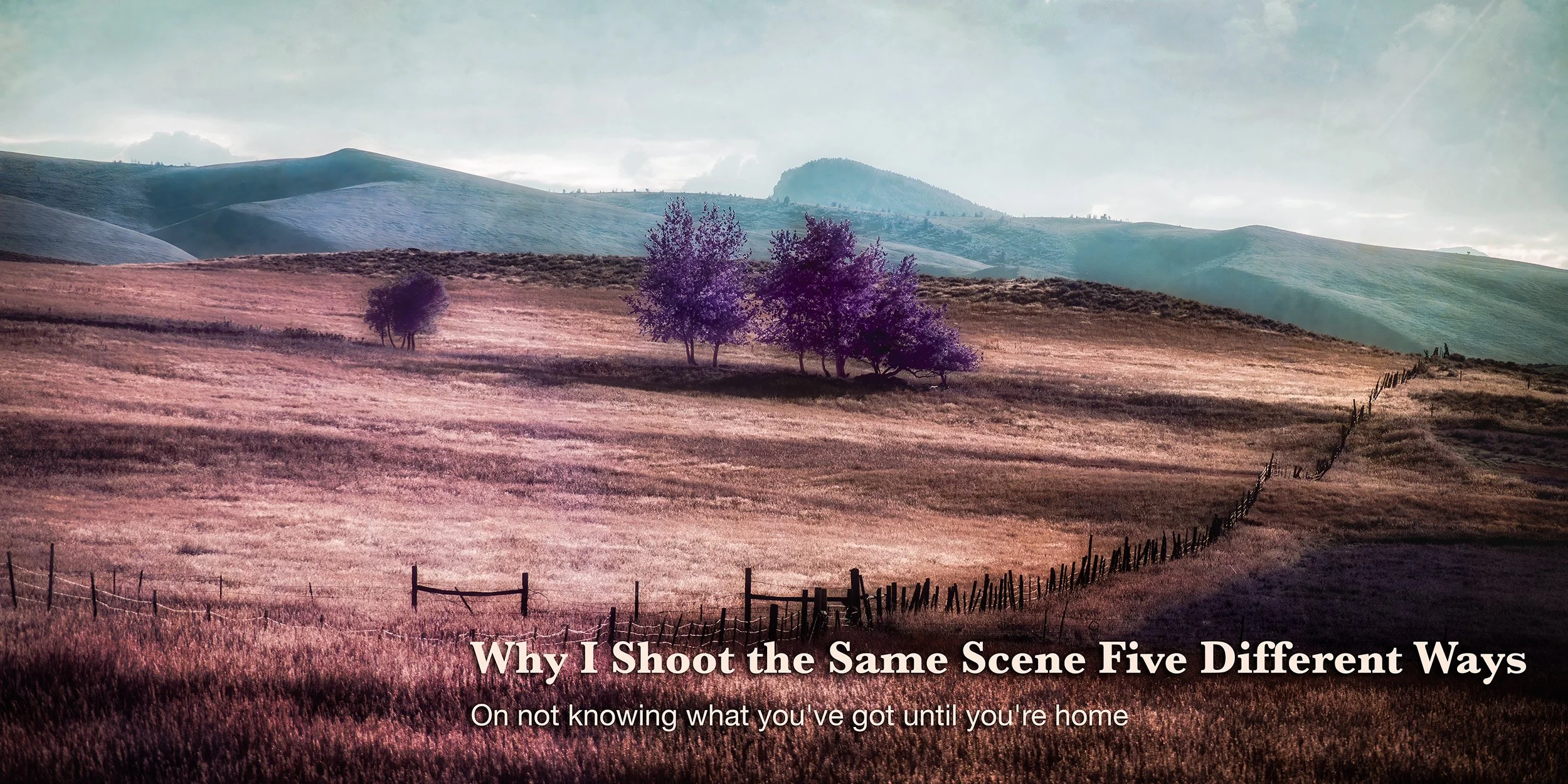
Why I Shoot the Same Scene Five Different Ways
The same scene can render completely differently depending on which wavelength you shoot it in, and how much infrared light is actually bouncing off what's in front of you — which you can't always predict just by looking. So when I'm out shooting a scene I really care about, I don't shoot it once. I shoot it several times, often across several different wavelengths, including 850nm for that deep, otherworldly contrast.
Understanding Infrared Photography: Beyond the Visible Spectrum
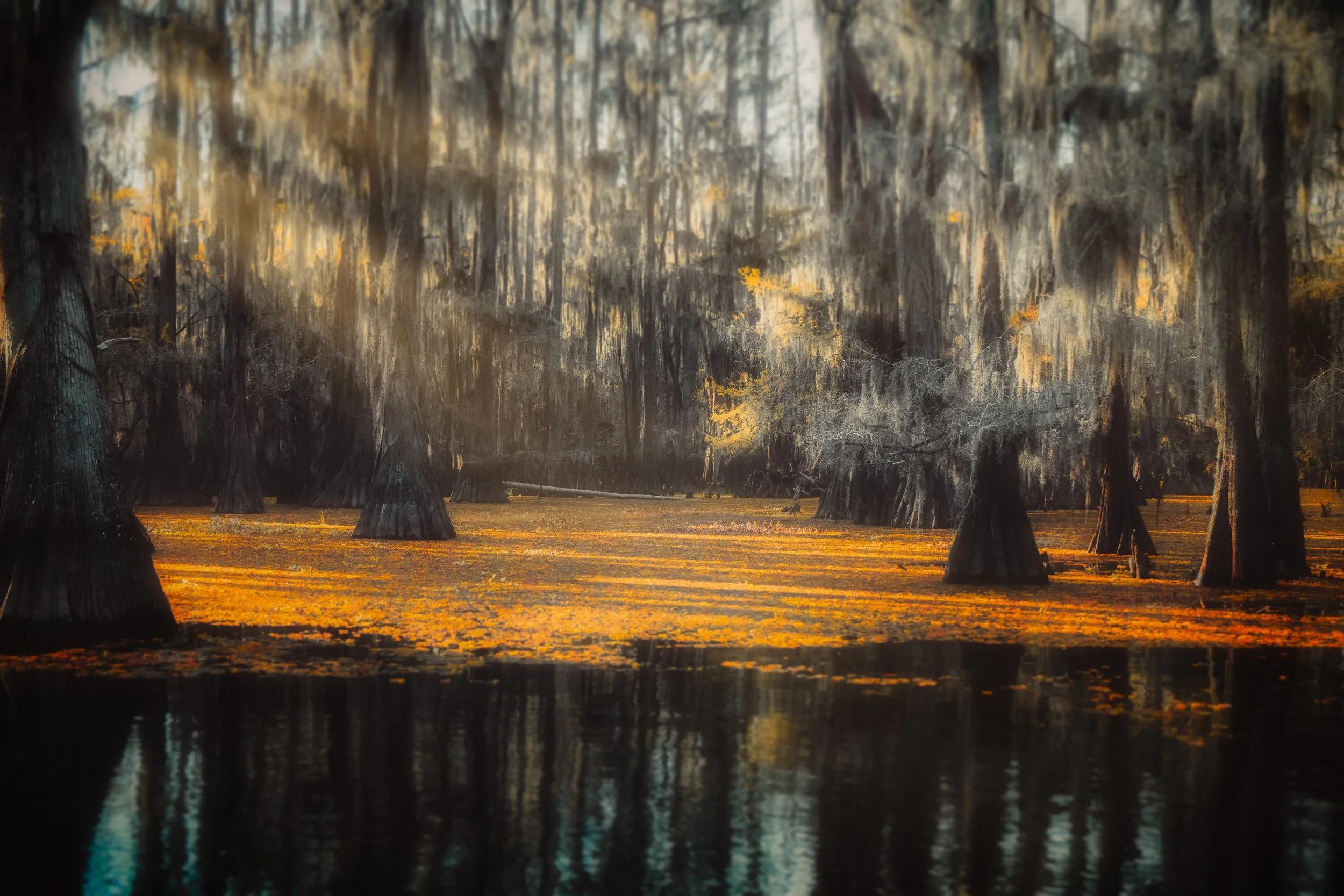
Infrared photography is a way of seeing the world with a different kind of light—one that exists just beyond what our eyes can register. Instead of recording only the colors we’re used to, an infrared camera captures wavelengths that reveal a hidden version of reality: foliage can turn luminous, skies can deepen into dramatic tones, and familiar landscapes take on a calm, otherworldly presence. The result isn’t “special effects”—it’s a real photograph of real light, translated into something that feels like memory, dream, and place all at once.