
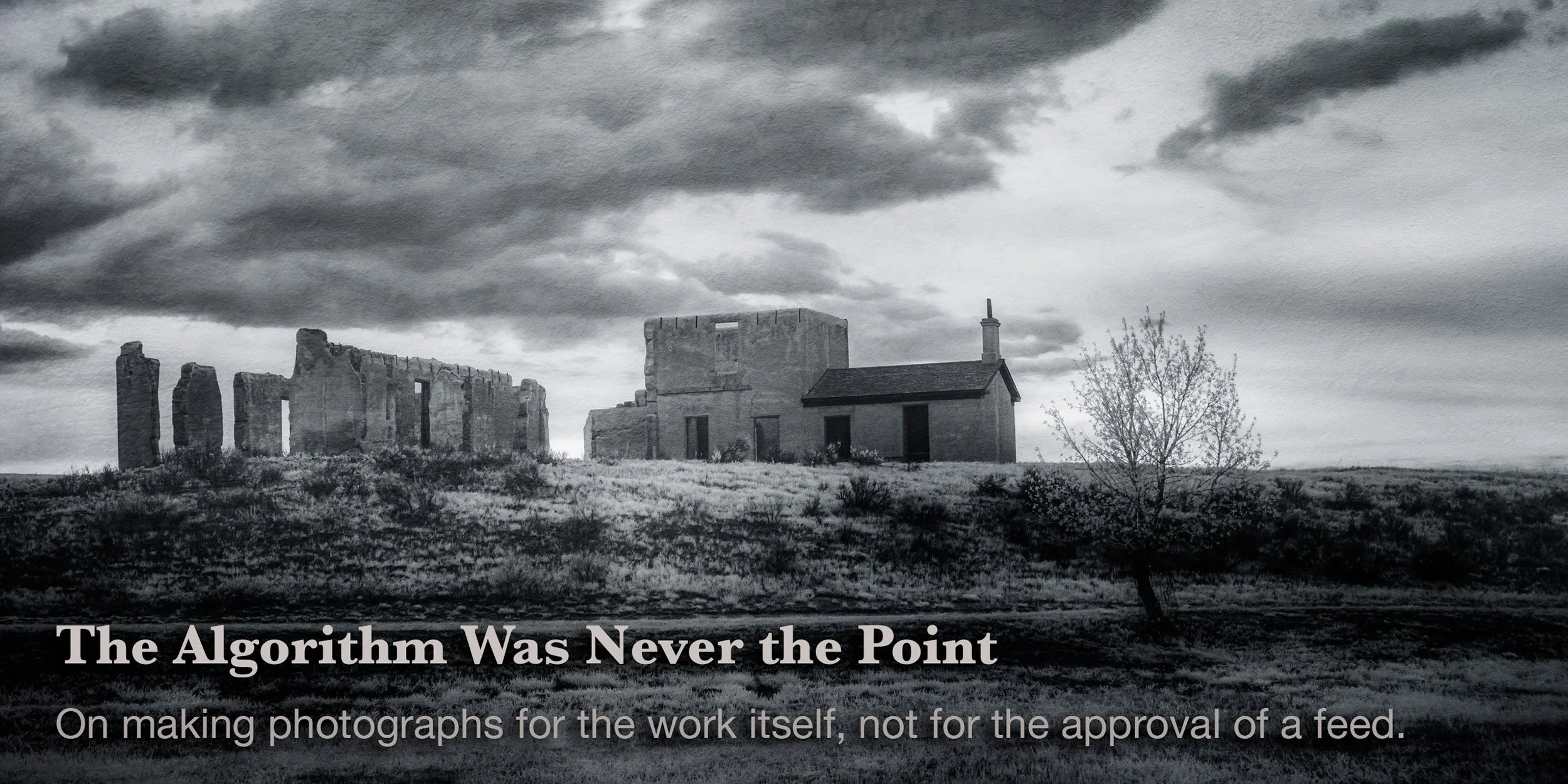
The Algorithm Was Never the Point
Social media engagement can make creative people question their own vision. Dan Urban reflects on making art for the release of creating — not for likes, reach, or algorithmic approval.
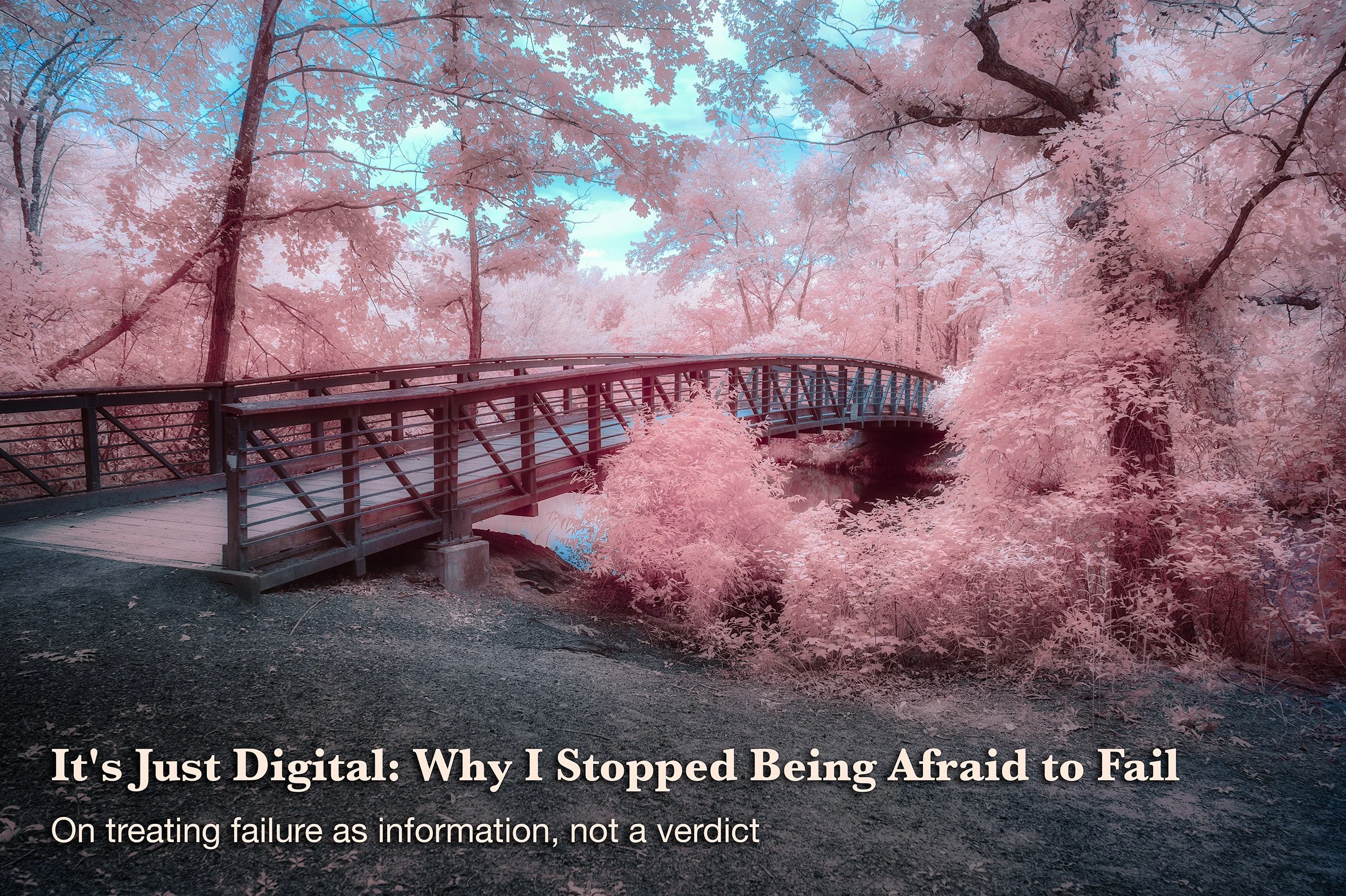
It's Just Digital: Why I Stopped Being Afraid to Fail
I stopped treating a failed image like a failure and started treating it like information. That was an experiment that didn't work — okay. Why didn't it work? I look at it, I figure out what went wrong, and I try something different next time. It's just digital. There's no film to waste, no cost beyond a few seconds and a little bit of ego.
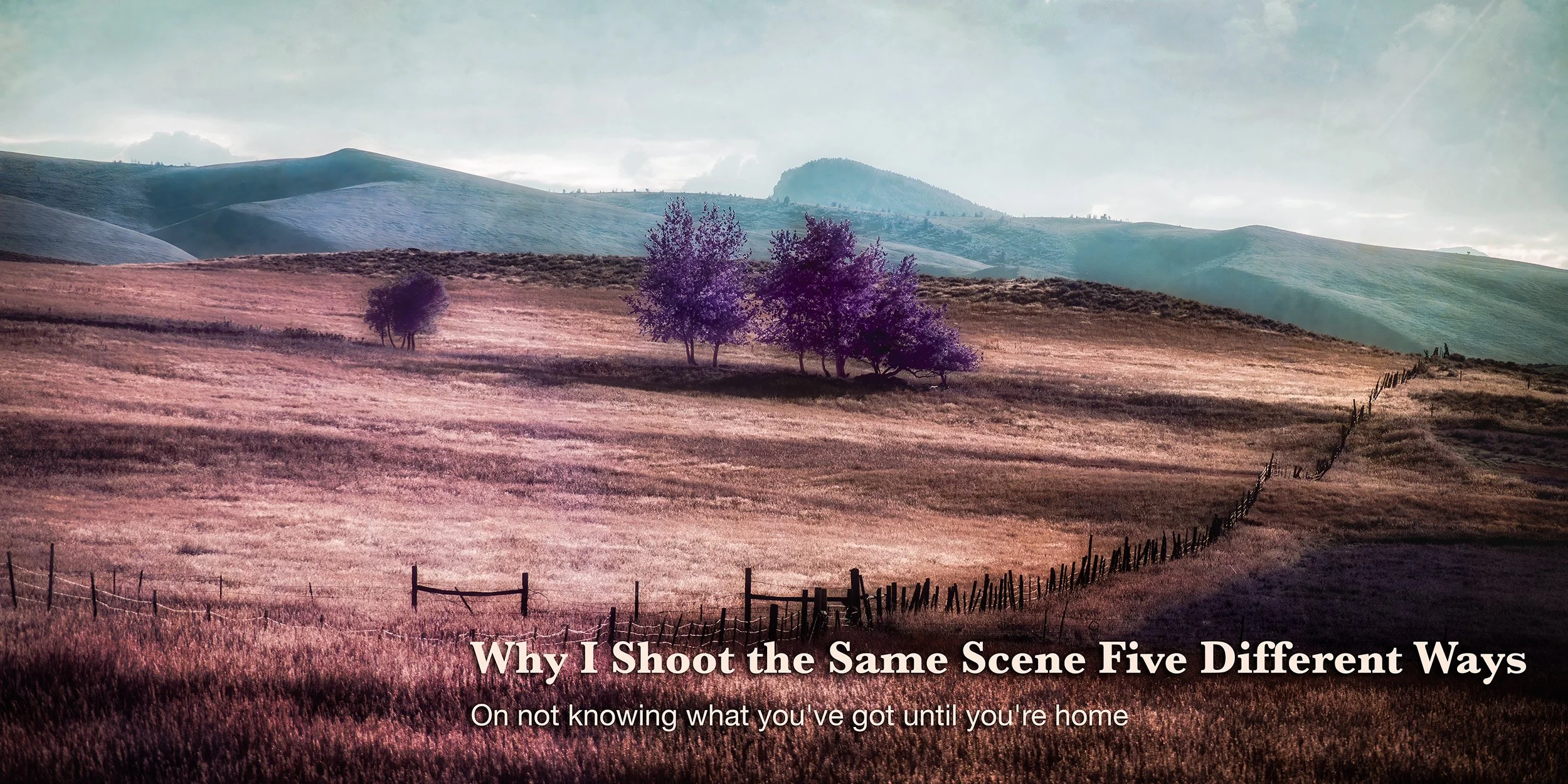
Why I Shoot the Same Scene Five Different Ways
The same scene can render completely differently depending on which wavelength you shoot it in, and how much infrared light is actually bouncing off what's in front of you — which you can't always predict just by looking. So when I'm out shooting a scene I really care about, I don't shoot it once. I shoot it several times, often across several different wavelengths, including 850nm for that deep, otherworldly contrast.
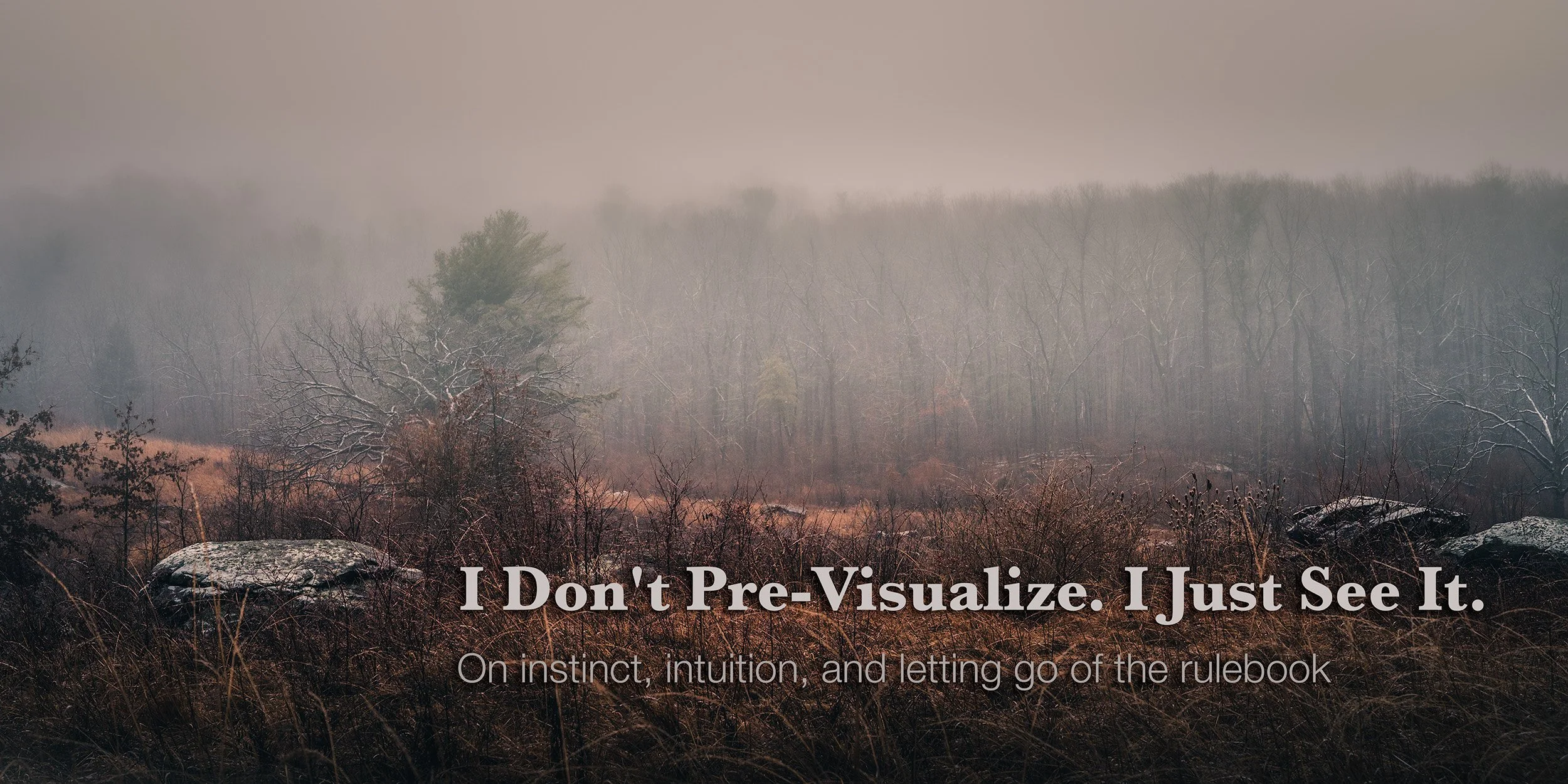
I Don't Pre-Visualize. I Just See It.
For me, there's very little "thinking" involved at all. I don't stand in front of a scene running through a mental checklist — rule of thirds, leading lines, where's my foreground interest, what's my focal point. I just look at something and, almost instantly, I know. That's not deliberation. It's closer to a reflex than a decision. The image is already mostly finished in my head before I've consciously registered why.
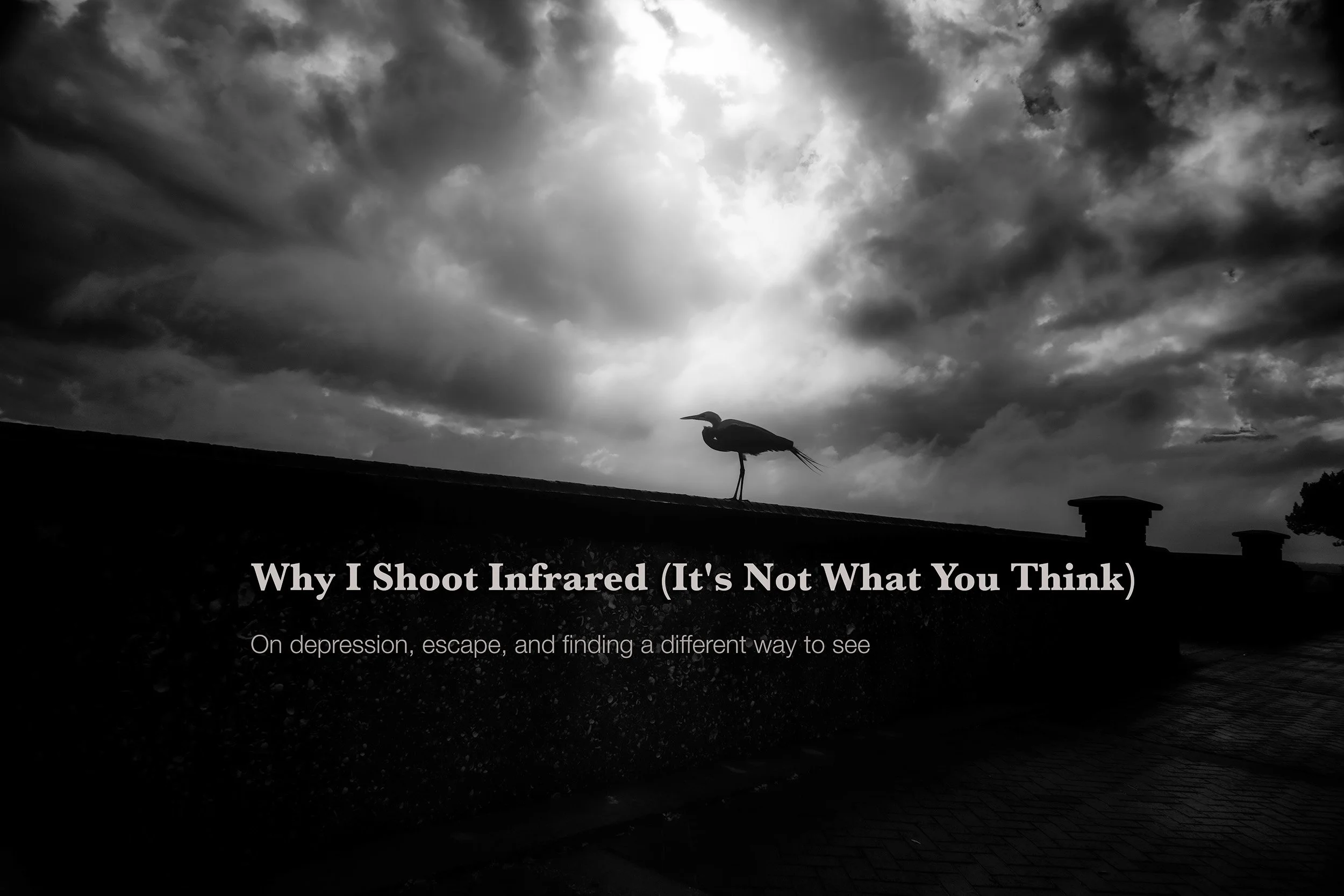
Why I Shoot Infrared (It's Not What You Think)
Infrared takes the wall down. In infrared, the world stops behaving the way you expect. Foliage that should be green turns violet, or crimson, or gold. Skies shift into tones no eye has ever actually seen unaided. The "rules" of what a landscape is supposed to look like simply stop applying — and in that space, I found room to make images that felt less like documentation and more like translation. Not a translation of the scene in front of me, but of whatever was happening in me at the time I pressed the shutter.