
It's Just Digital: Why I Stopped Being Afraid to Fail
There's a sentence I say to myself more than almost any other when I'm reviewing images after a shoot: "Well, that was an experiment that didn't work. It's just digital."
Four words, and they've probably done more for my growth as a photographer than any tutorial, workshop, or gear upgrade ever has.
Here's the thing about infrared specifically — it's unpredictable. Different wavelengths react differently depending on foliage, light, moisture, season, even the specific species of tree in front of you. You can shoot a scene you're genuinely excited about, get home, pull it up in Lightroom, and realize it just doesn't work. The color shift is off. The contrast falls flat. The mood you had in your head never made it into the frame. It happens. It still happens to me, after years of doing this.
Hello!
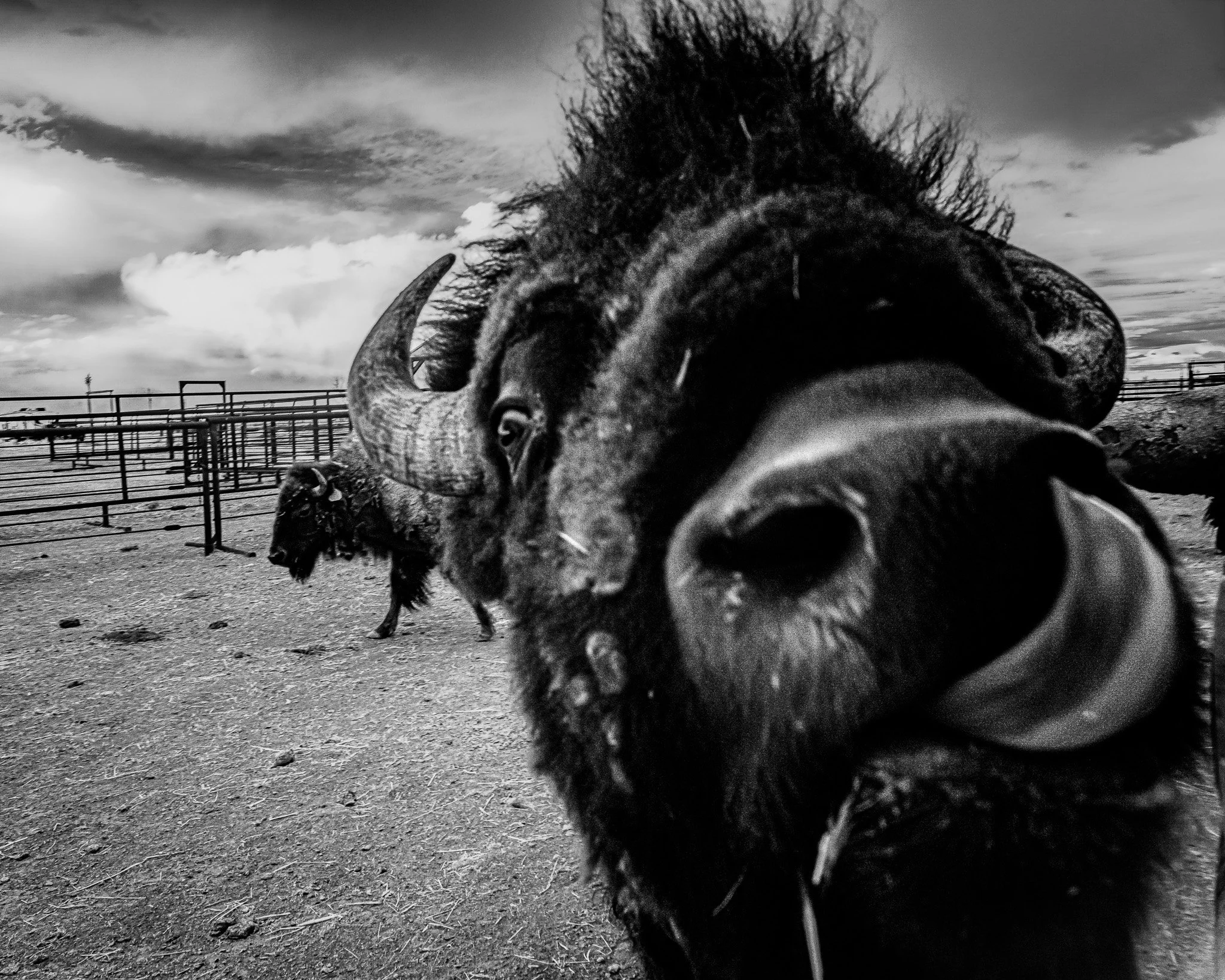
There's a bison at a ranch in Carr, Colorado, named Kiam. I wasn't photographing him at all — I had my camera up for a totally different shot, mountains in the background, another bison in frame, a much more "composed" image. Then Kiam popped his head straight out of a water trough, dripping, tongue out, filling half the frame before I even had time to think.
I almost deleted it later. It didn't look like the shot I meant to take. It looked like an accident — because it was. But I don't delete images in camera, ever, no matter how sure I am they're throwaways. So it sat there. And when I finally looked at it properly, I realized it wasn't a mistake at all. It was funny, it was alive, it had more personality than half the "serious" work I'd made that same day.
That image went on to sell better at art fairs than almost anything else I brought that season. The shot I almost threw away because it wasn't the one I planned for turned out to be the one people actually wanted to take home. It's just digital — keep the frame, look again later, and let the image decide whether it was a mistake or not. You might be wrong about which one it is.
For a long time, that kind of failure used to sting more than it should have. I think a lot of photographers carry some version of that old film-era anxiety, even now — like every frame is precious, like a "wasted" shot is a verdict on your ability, like getting it wrong somehow means you're not good enough to have gotten it right. That mindset will wreck you slowly, especially if you're the kind of person who already struggles with self-doubt. It did for me, for longer than I'd like to admit.
Somewhere along the way, I stopped treating a failed image like a failure and started treating it like information. That was an experiment that didn't work — okay. Why didn't it work? Was it the wavelength? The light? The composition? I look at the failed image, I look back at the scene in my memory, and I try to figure out what went wrong so I can do something different next time. That's it. No spiral, no self-punishment, no "I'm not cut out for this." Just: noted, adjusted, moving on.
It's just digital. There's no film to waste, no darkroom chemicals burned on a shot that didn't pan out. The only real cost of an experiment that fails is a few seconds of your time and maybe a little bit of your ego — and honestly, your ego could probably stand to take a hit now and then anyway. Every photographer who's good at this has a graveyard of failed shots behind them. The only difference between the ones who kept going and the ones who quit is whether they let those failures mean something they were never meant to mean.
This matters beyond photography too, honestly. If you're the kind of person who freezes up before trying something new because you're scared of getting it wrong, I'd gently push back on that fear the same way I've had to push back on my own. Getting it wrong isn't the opposite of getting it right — it's usually the only path there. Learning from your mistakes instead of giving up on them is, I think, one of the most underrated skills a person can build, in art and in everything else.
So if you're out there right now second-guessing an experiment, a new technique, a style you're not sure will work — try it anyway. If it doesn't land, look at it, learn from it, and try again. Nobody's going to remember the failed frame. They're going to remember what you made once you figured out what wasn't working.
It's just digital. Shoot the experiment.
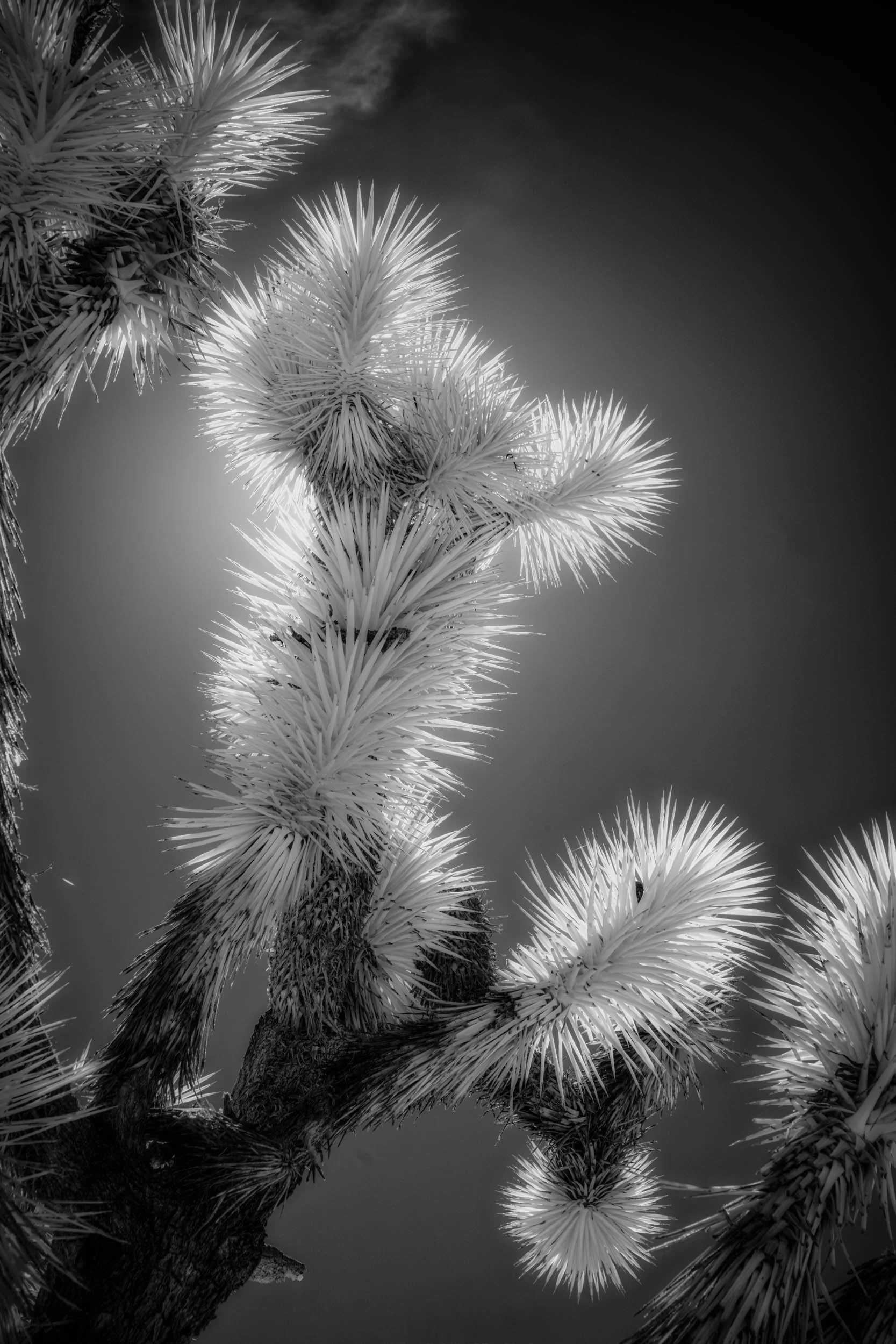
Desert's Sculpted Silhouette
Desert's Sculpted Silhouette almost didn't happen the way it did. Joshua Trees are strange, spiky, hard-to-read subjects in infrared — the light either finds them or it doesn't, and there's no way to know in advance which way it's going to go. I shot this one not entirely sure the backlighting would translate the way I wanted. It could easily have come back flat, or lost the detail in all those needles, or just not worked.
It worked. The light caught every spine and turned the whole plant into something closer to sculpture than shrub — desert survival rendered as pure form. But I want to be honest about the process behind it: this wasn't a shot I knew was perfect the second I took it. It was an experiment with backlight and contrast that could have gone either way, and I only knew it had paid off once I saw it on the screen. That's the whole point of staying willing to try the uncertain shot. Sometimes what looks like a gamble in the field turns out to be the image people can't stop looking at.
Explore the infrared collection at Dream World Images, or read more from the Dreamer's Journal.
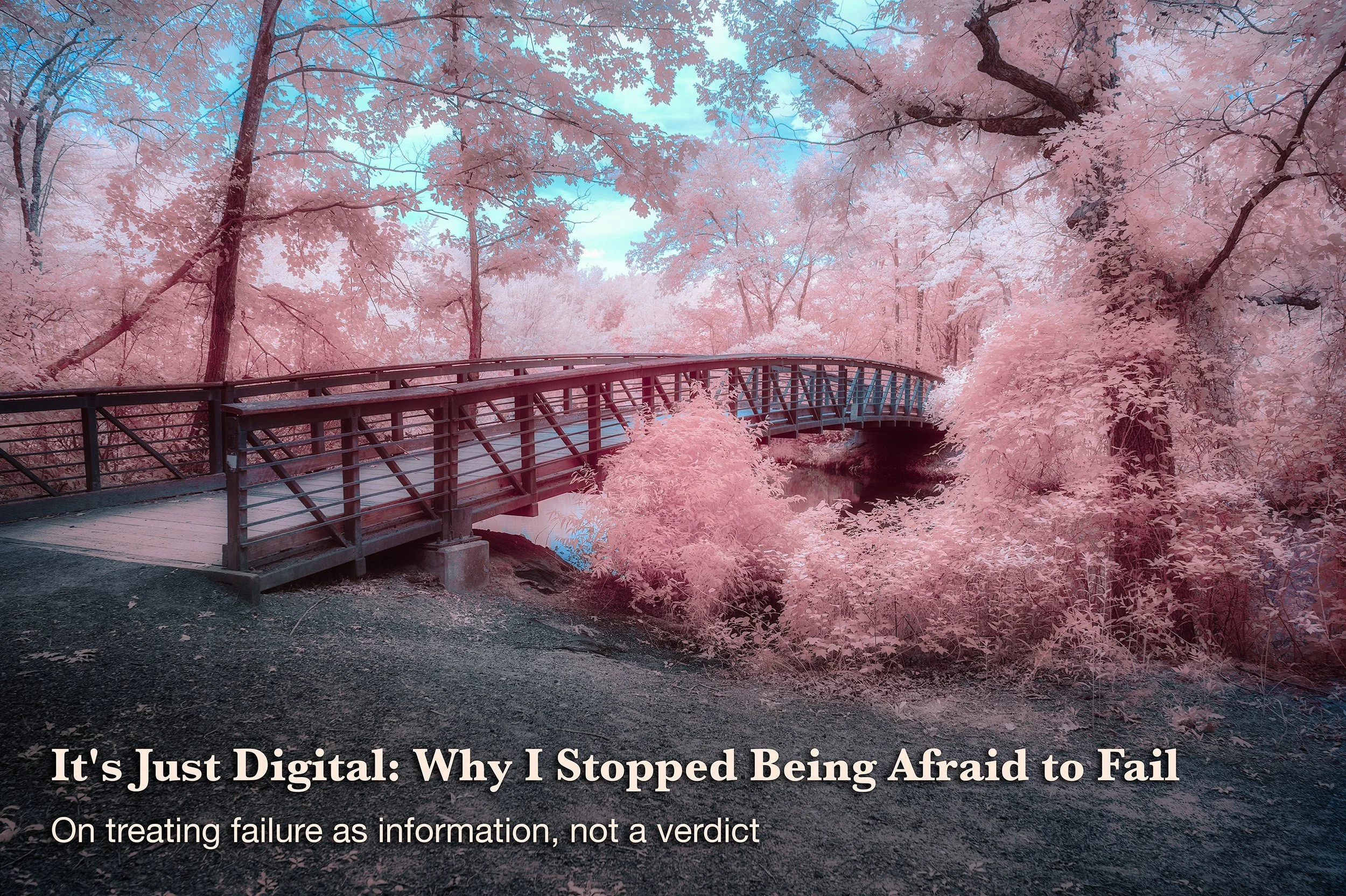
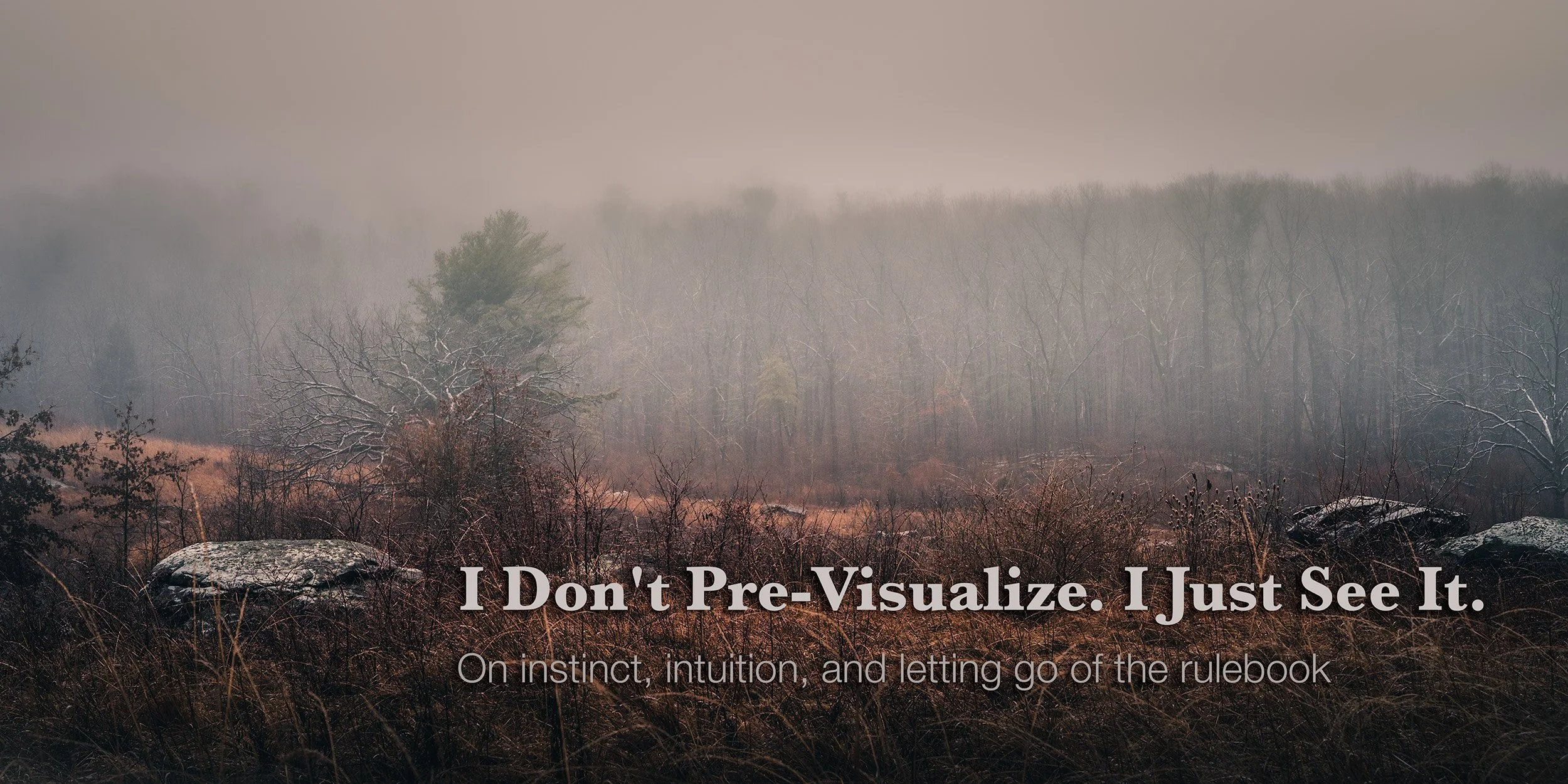
The same scene can render completely differently depending on which wavelength you shoot it in, and how much infrared light is actually bouncing off what's in front of you — which you can't always predict just by looking. So when I'm out shooting a scene I really care about, I don't shoot it once. I shoot it several times, often across several different wavelengths, including 850nm for that deep, otherworldly contrast.