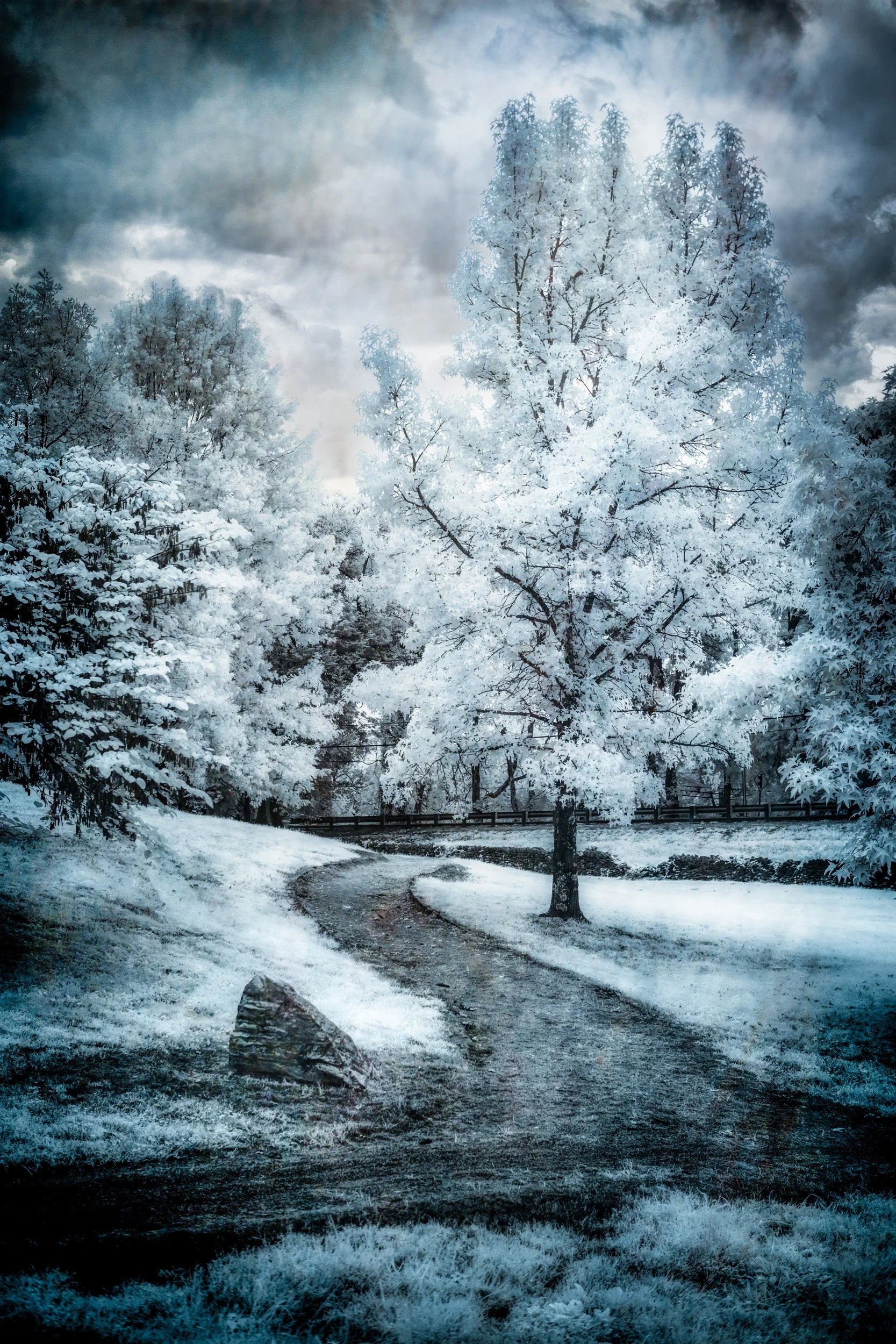
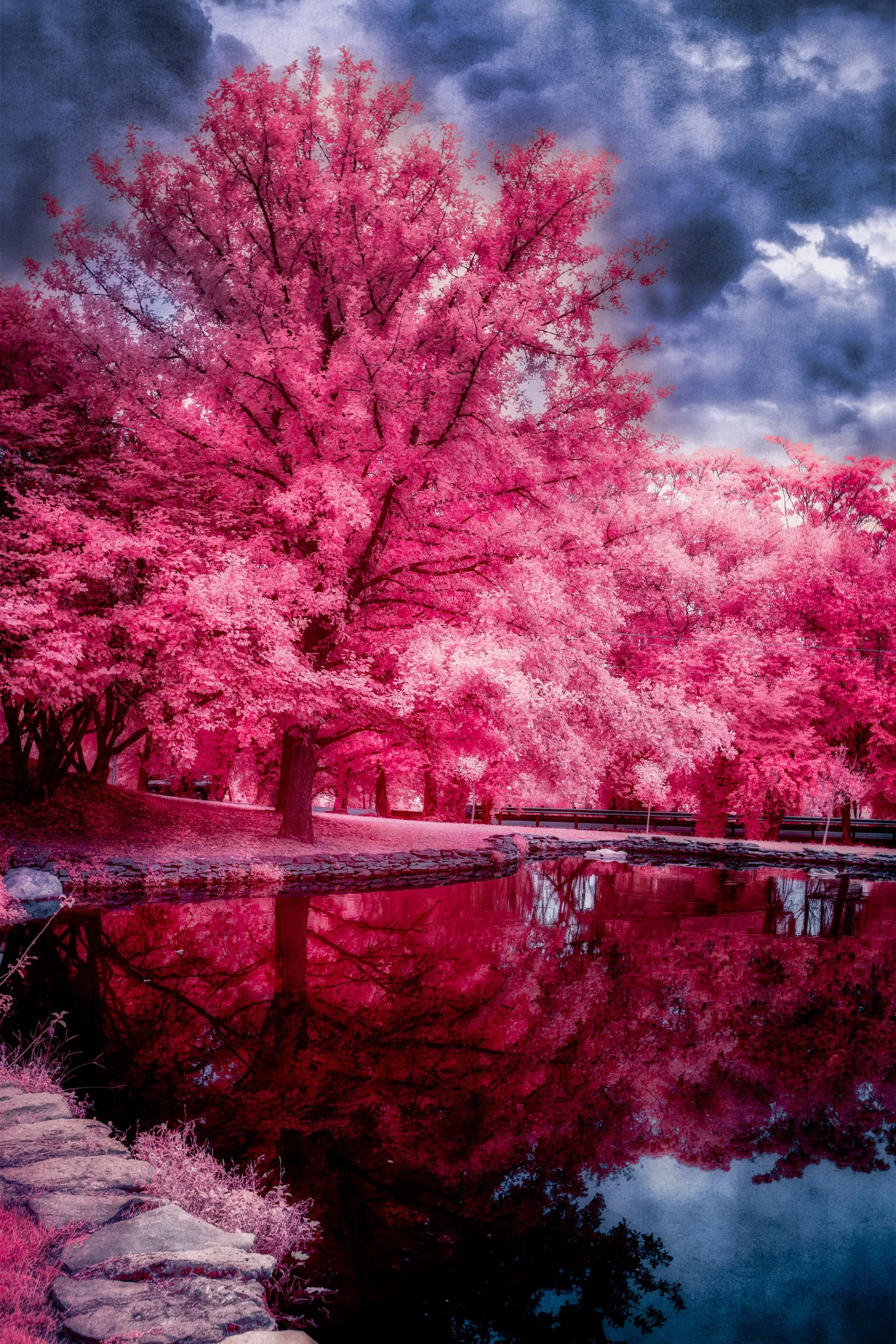
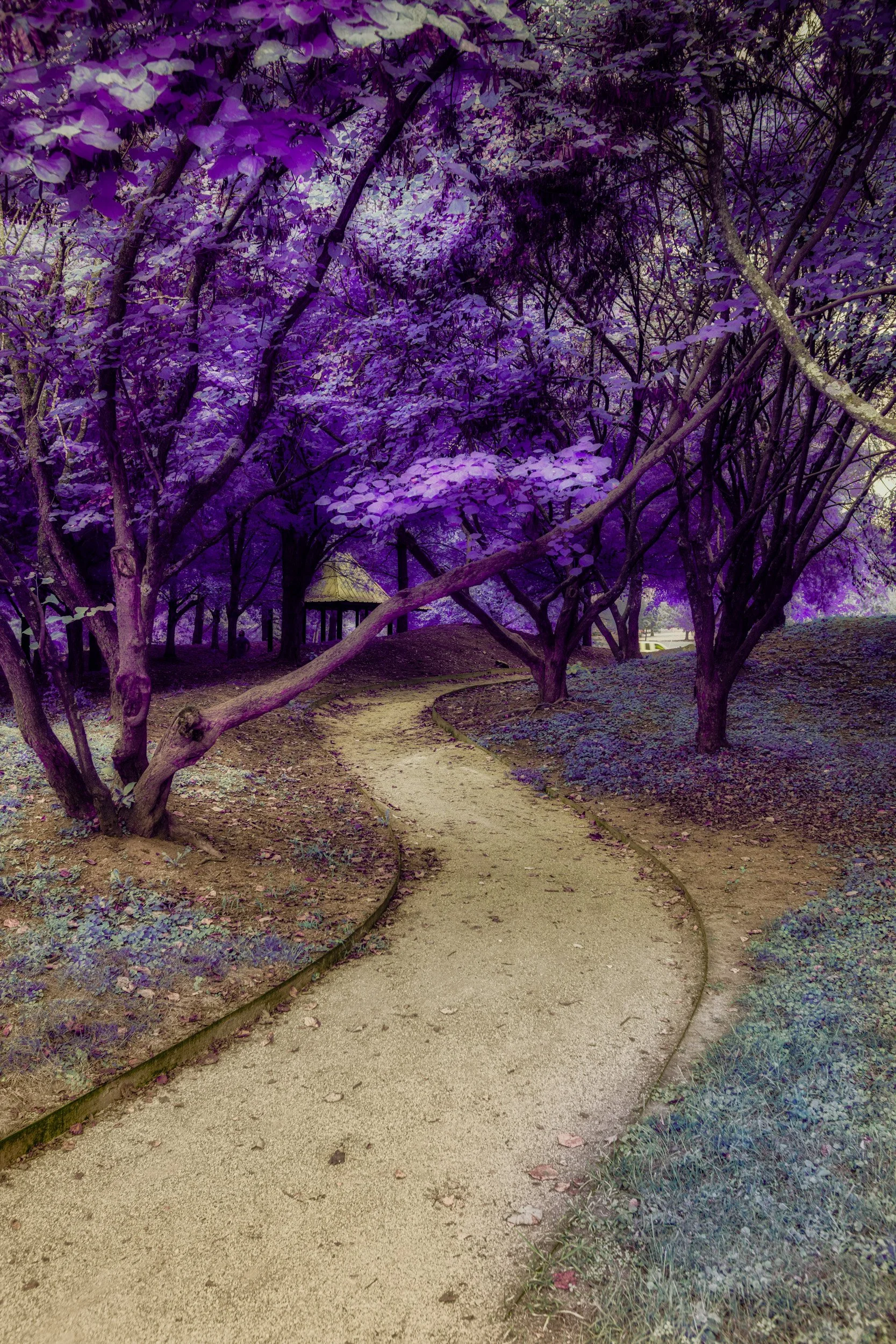
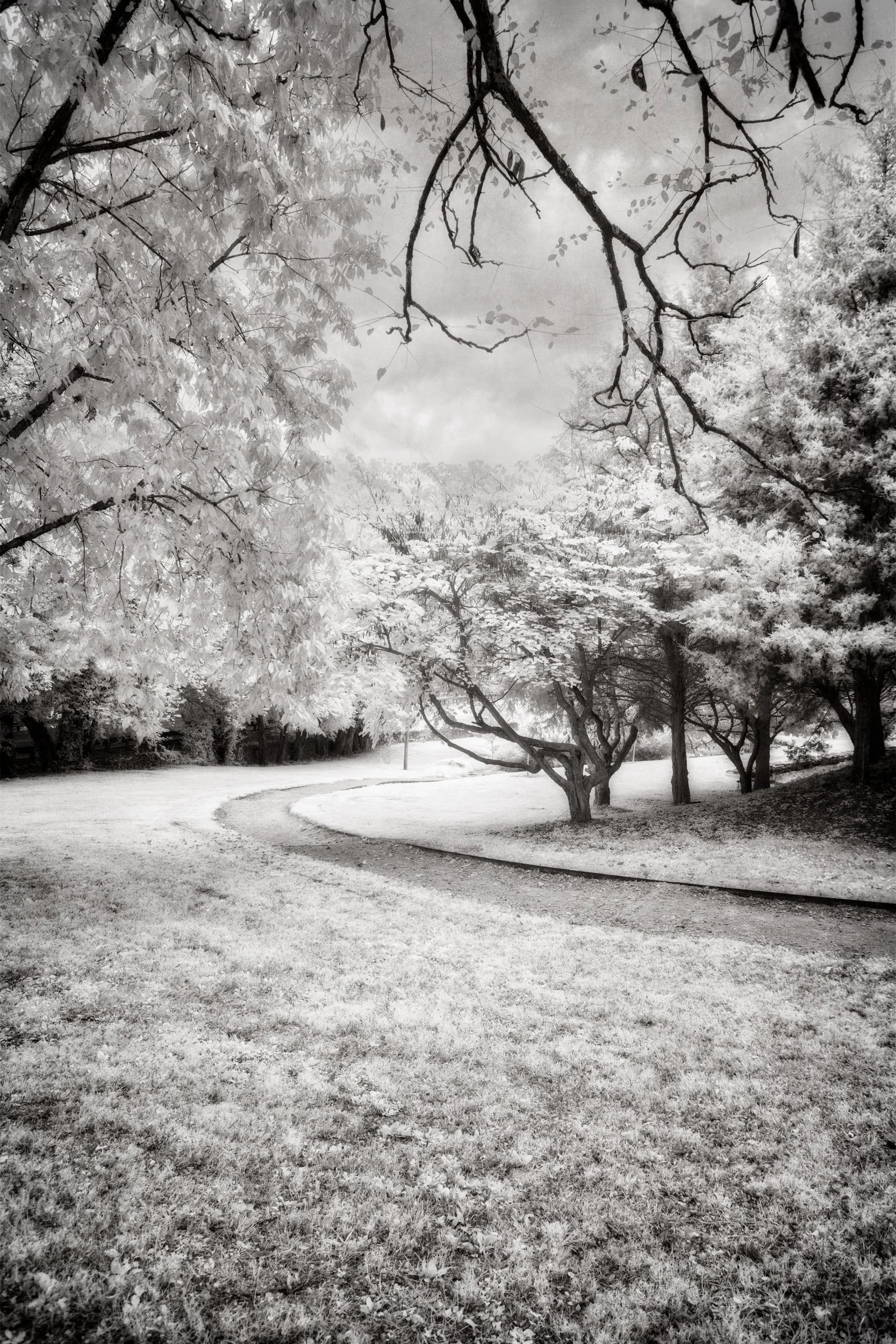
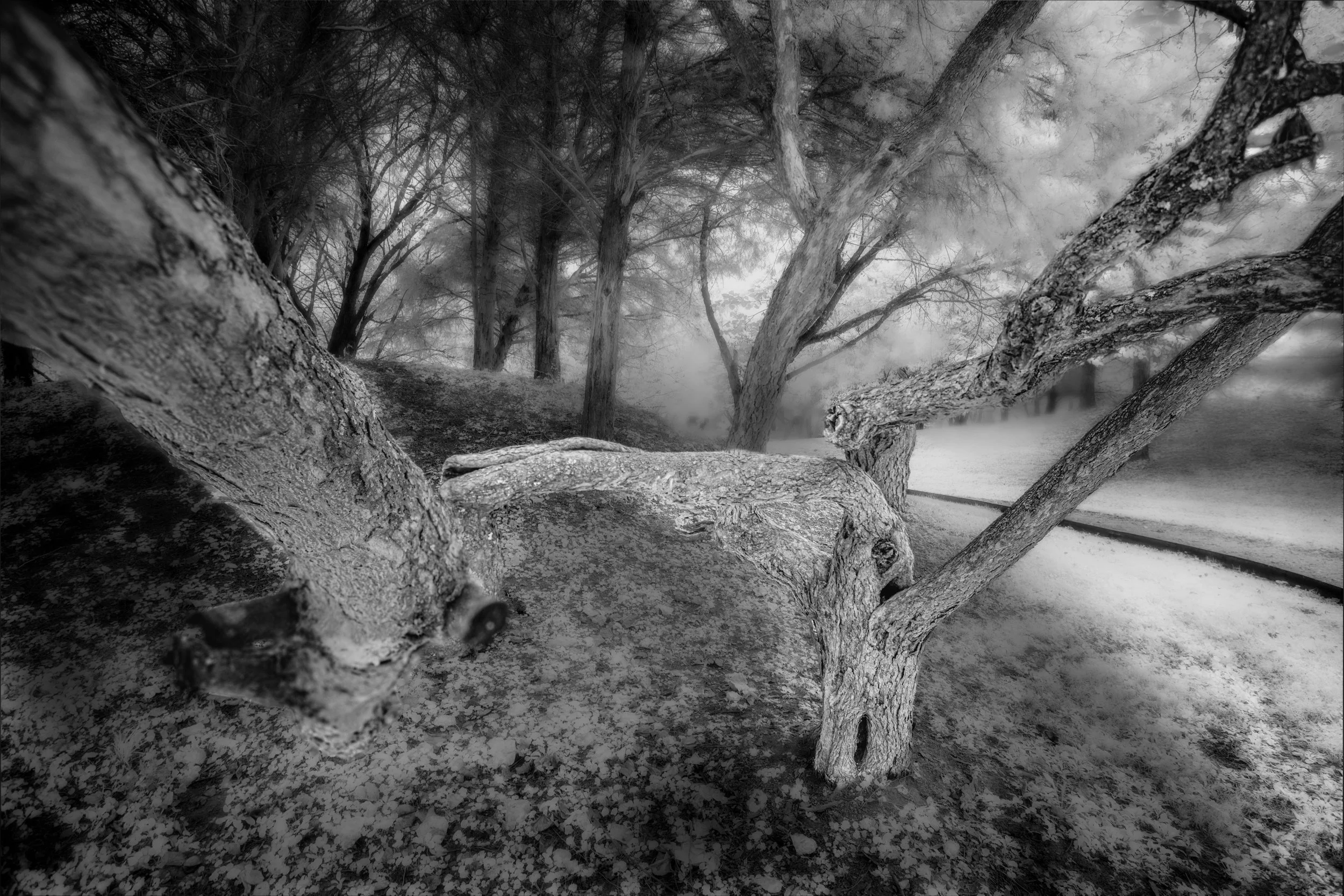
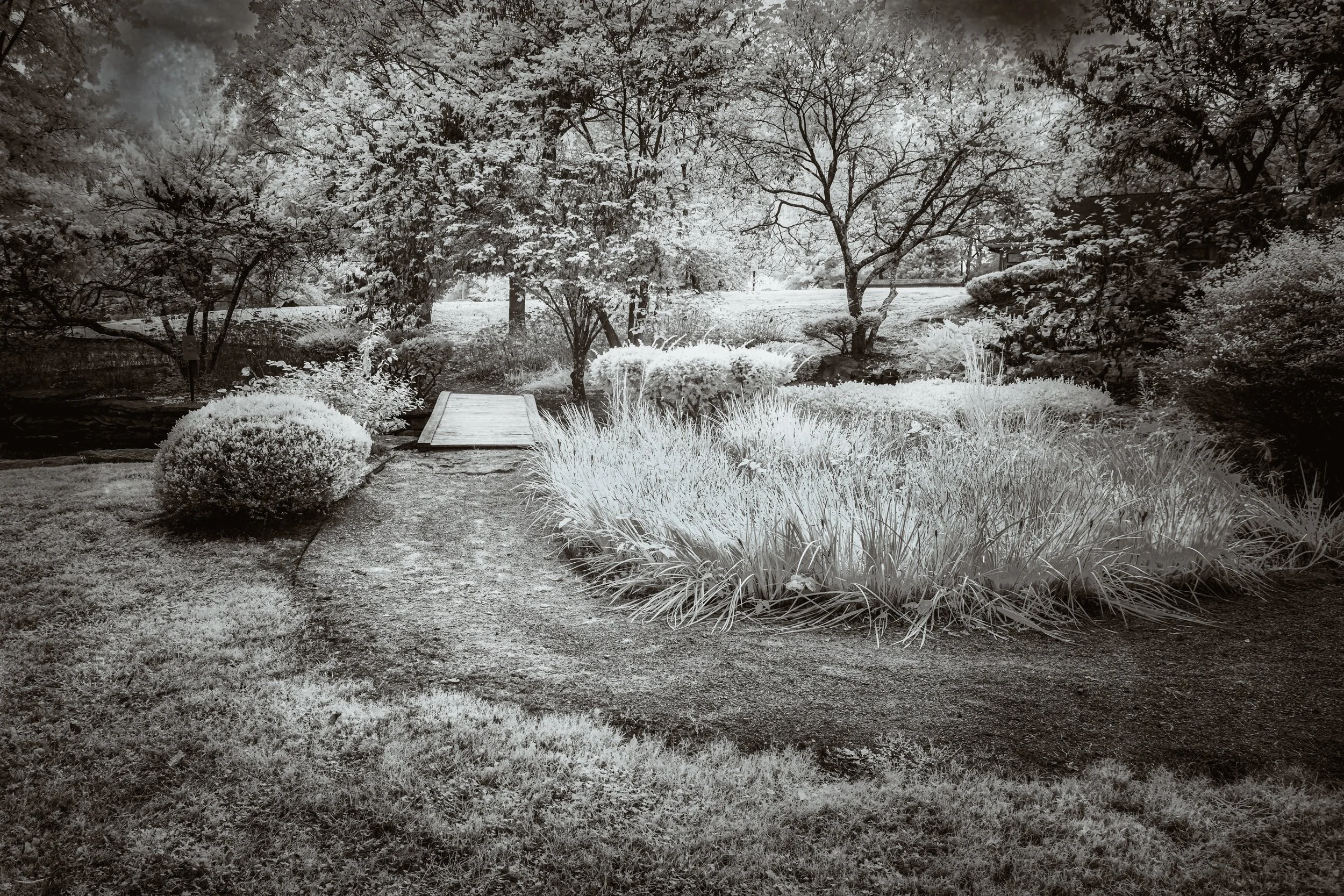
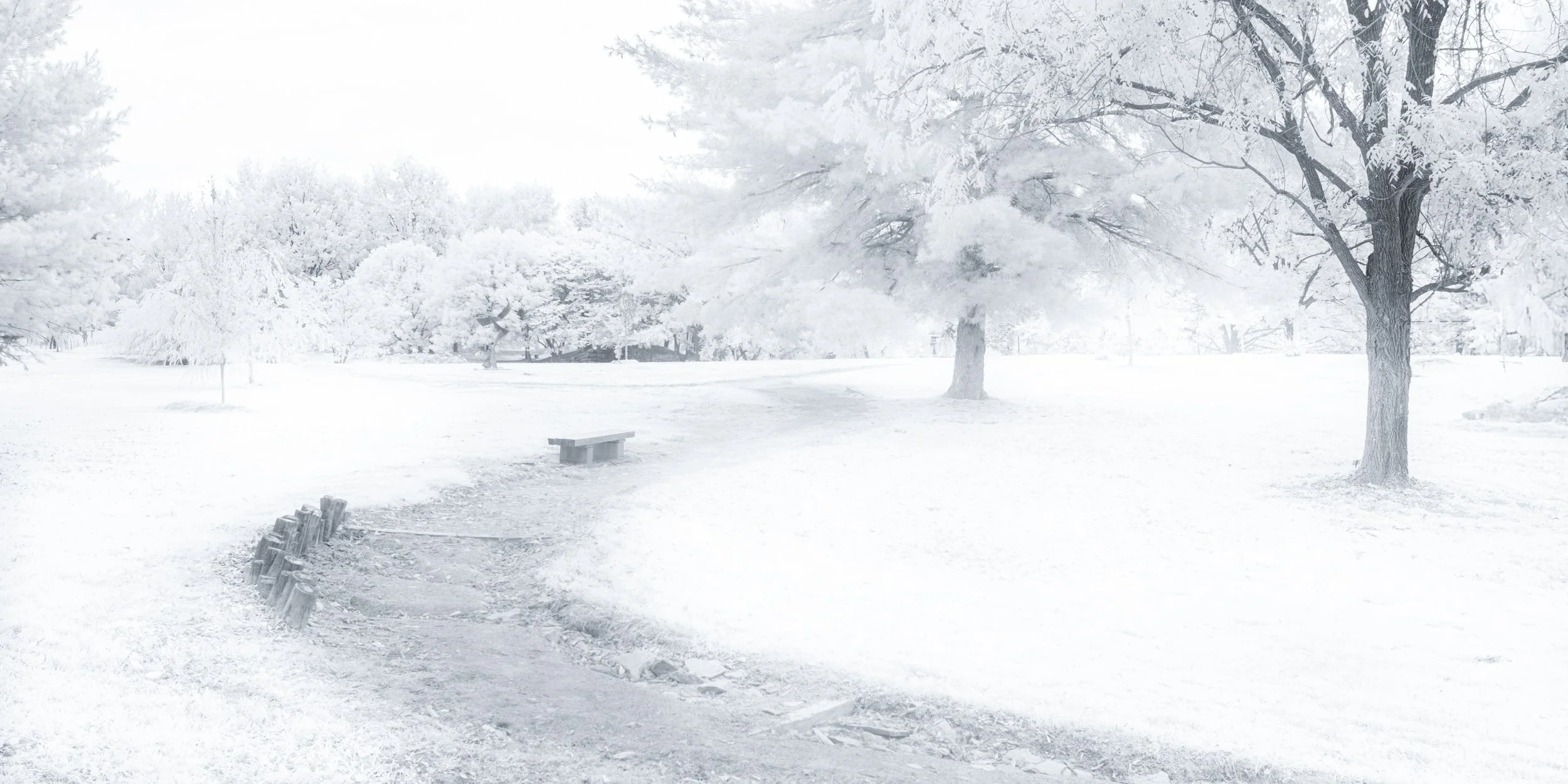
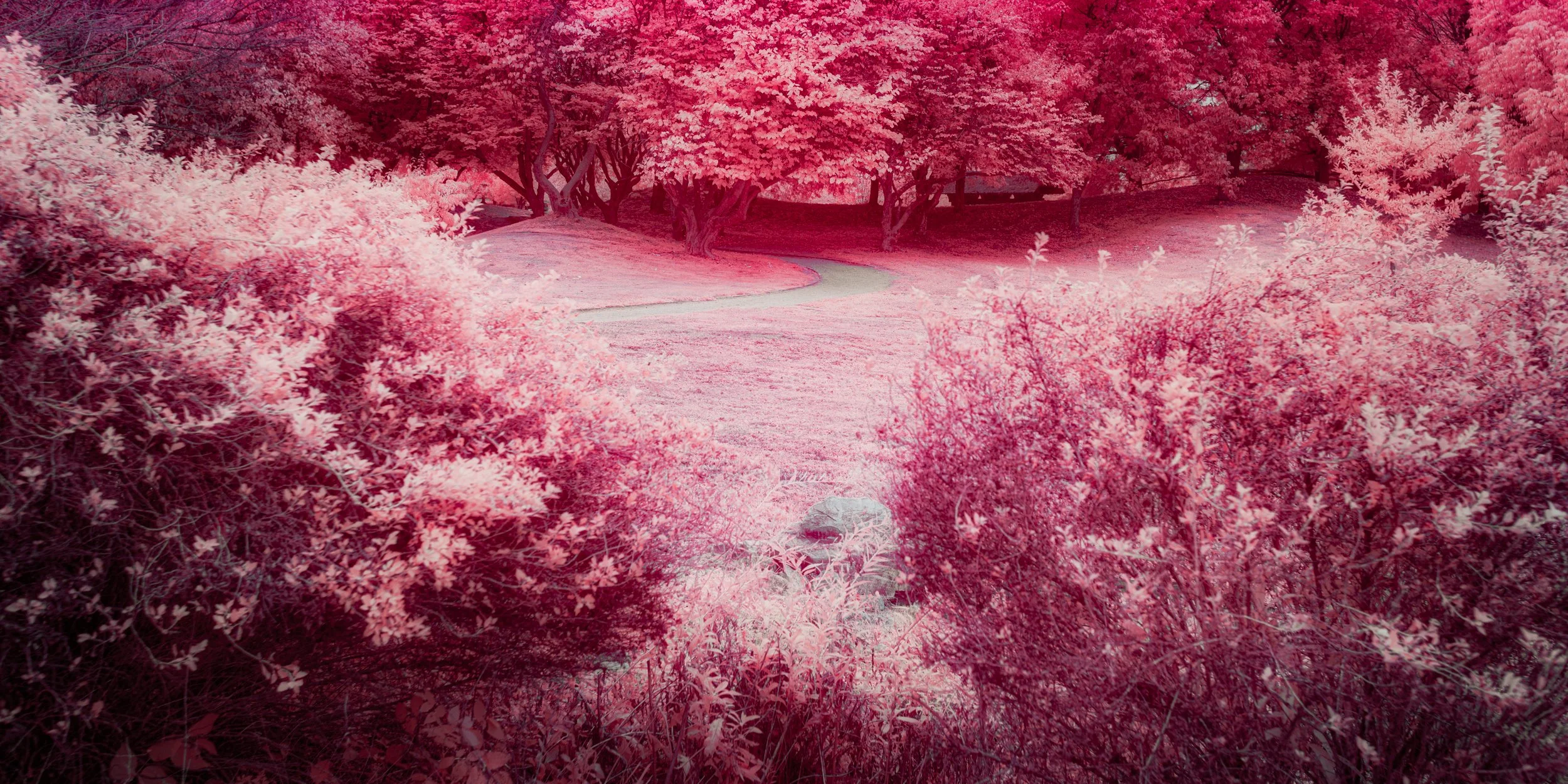
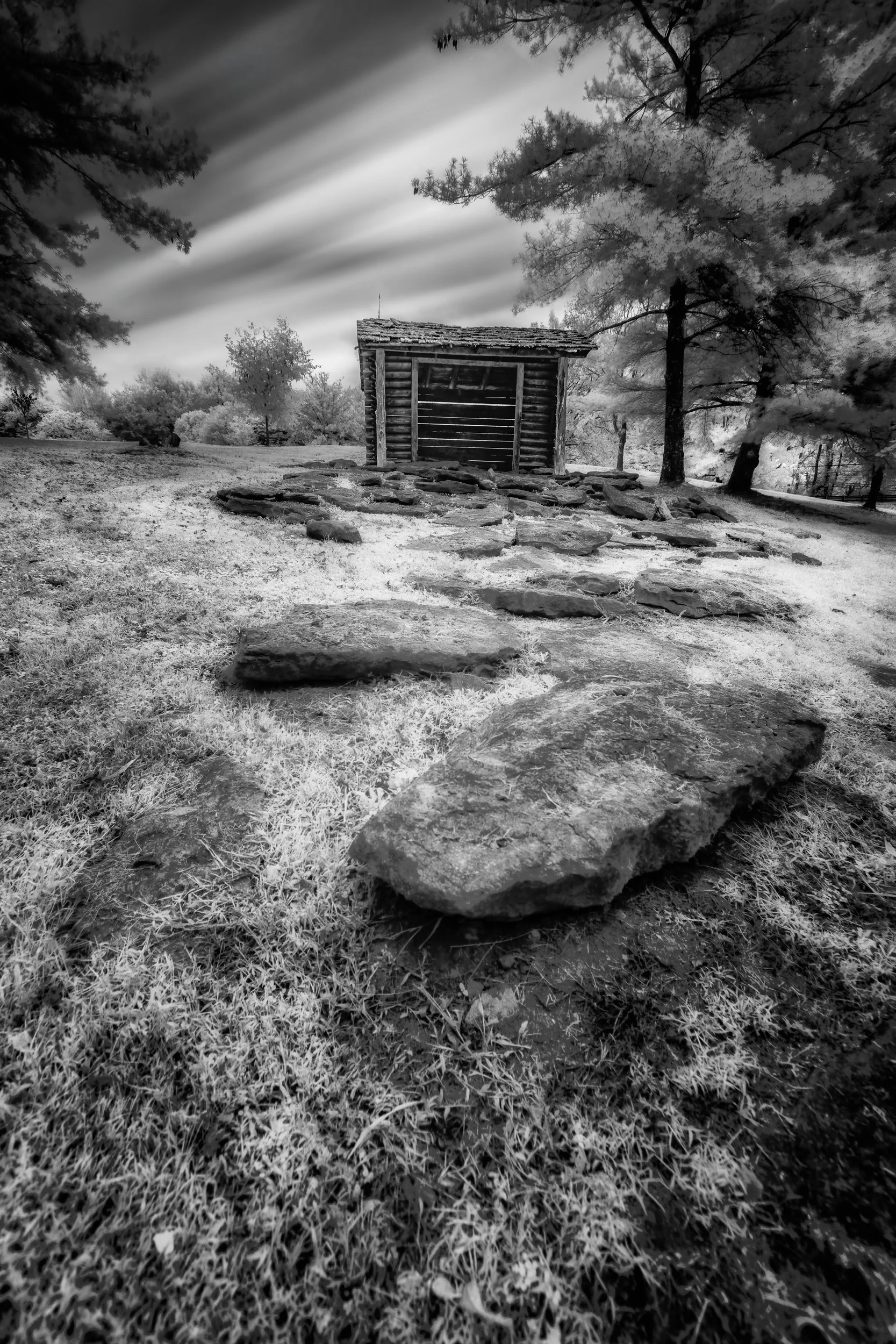
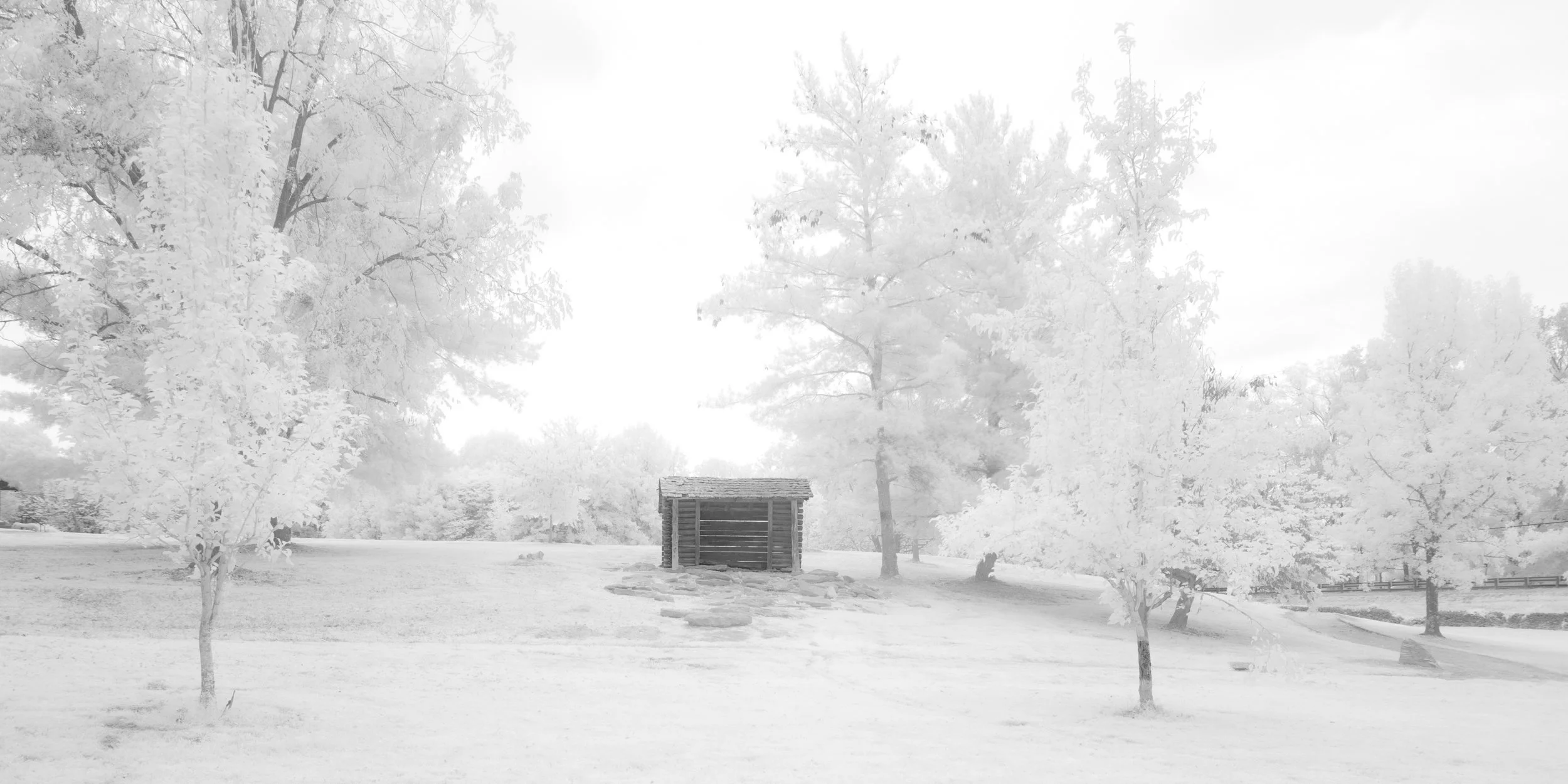
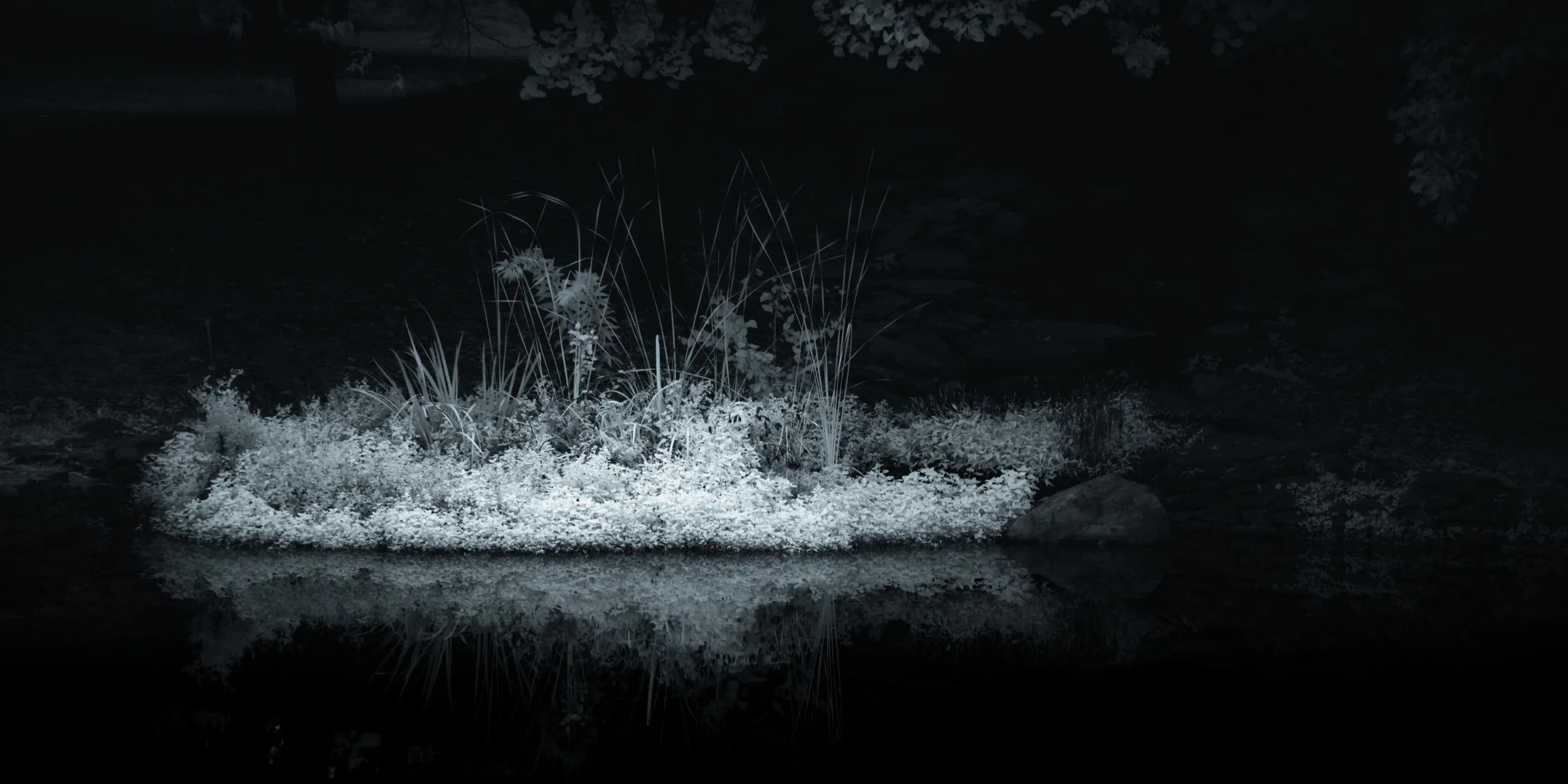
During a recent visit to Yuko-En Japanese Garden, I spent the afternoon photographing the trees, water, reflections, and quiet spaces with an infrared camera.
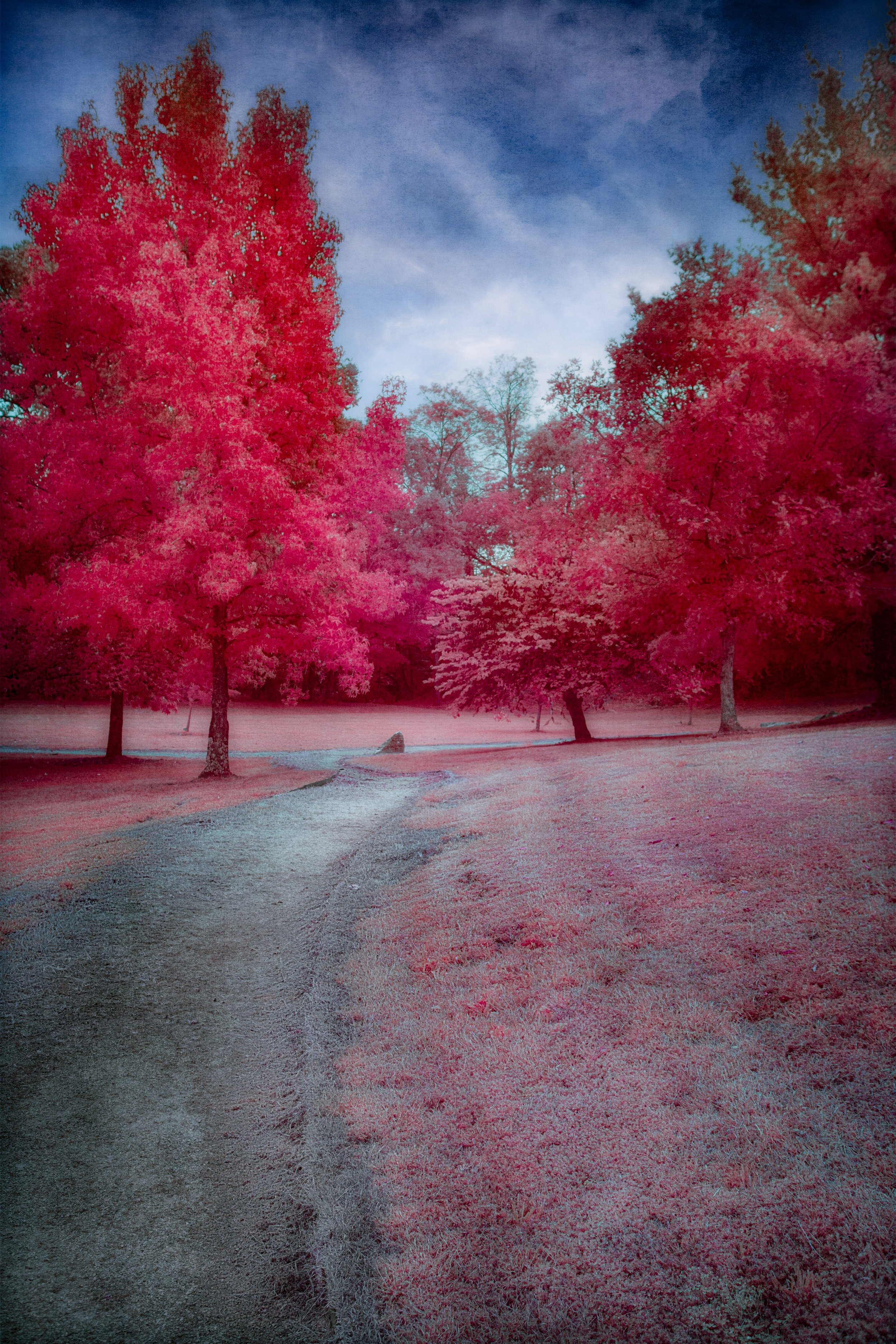
Infrared photography changed the familiar autumn landscape into something more dreamlike. The leaves glowed with warm orange light, the sky deepened into blue, and the pond reflected a second version of the garden beneath the surface.
I was especially drawn to the reflections. The tree above the water and the tree below seemed to belong to two different worlds, briefly meeting in the stillness of the pond.
I made a short video from the visit and wanted to share it with you:
The photograph accompanying this post was made during that same journey. It is a quiet reminder of why I continue to explore infrared photography: sometimes a place reveals itself only when we learn to see it differently.
After more than twenty years behind the camera, I still wonder what makes one photograph connect with someone while another doesn't. From unexpected conversations at art fairs to photographs that sold for reasons I never understood, I've learned that the value of an image isn't always something you can put a price on.
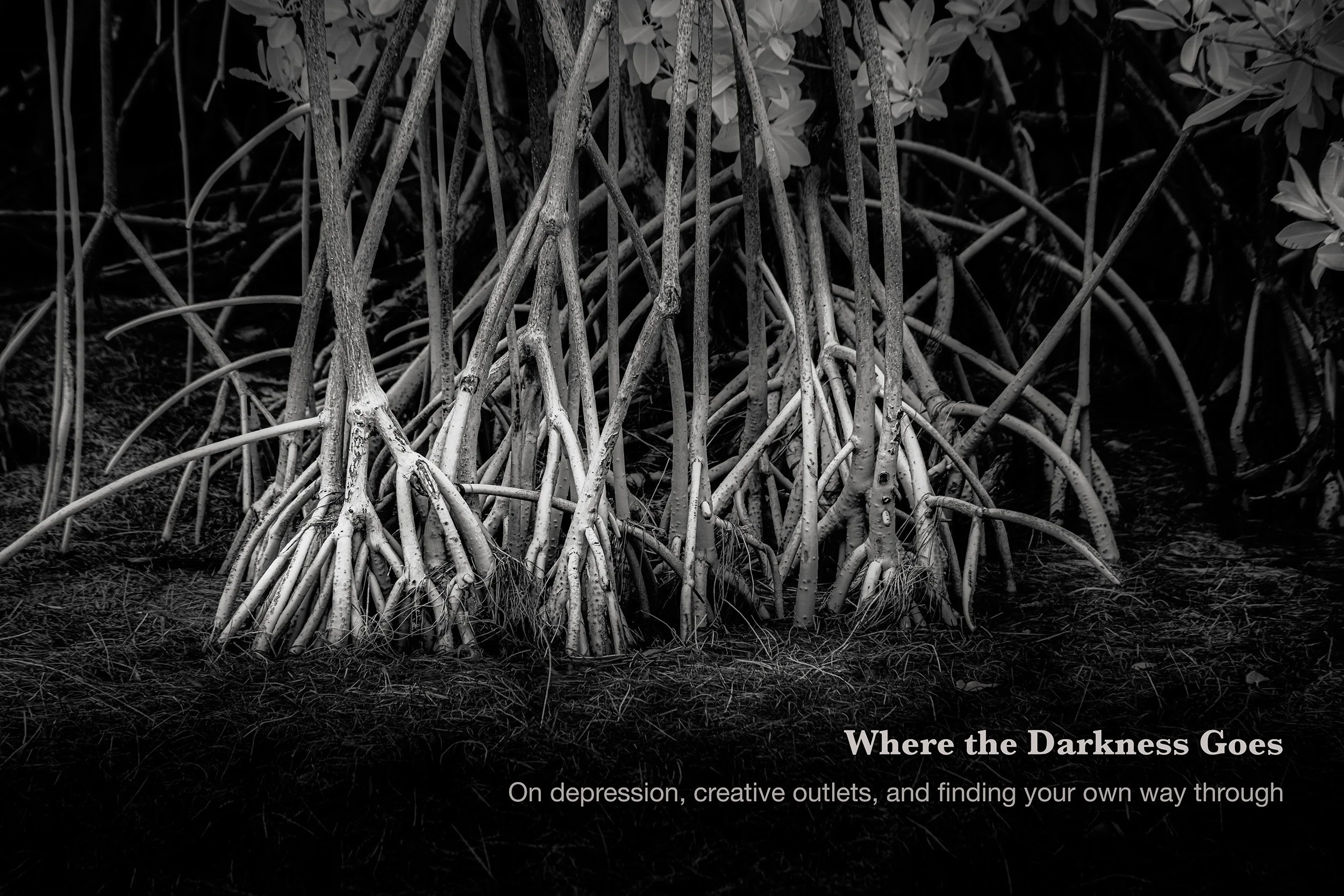
I found photography not as a cure for depression, but as a place to put it. That distinction matters — a cure implies the thing goes away. What actually happened is closer to translation: a way to take what was heavy and internal and turn it into something external I could finally set down.
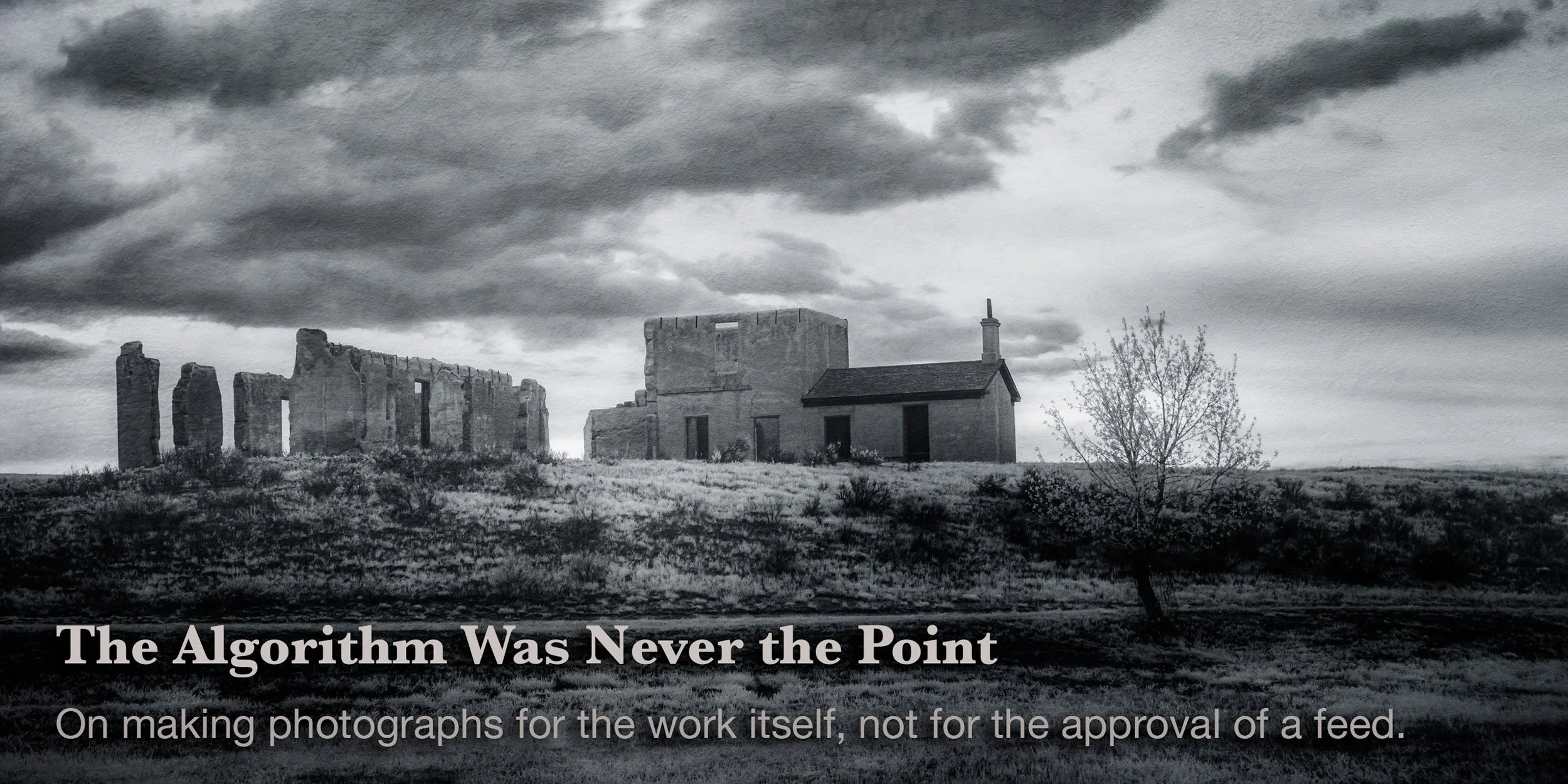
Social media engagement can make creative people question their own vision. Dan Urban reflects on making art for the release of creating — not for likes, reach, or algorithmic approval.
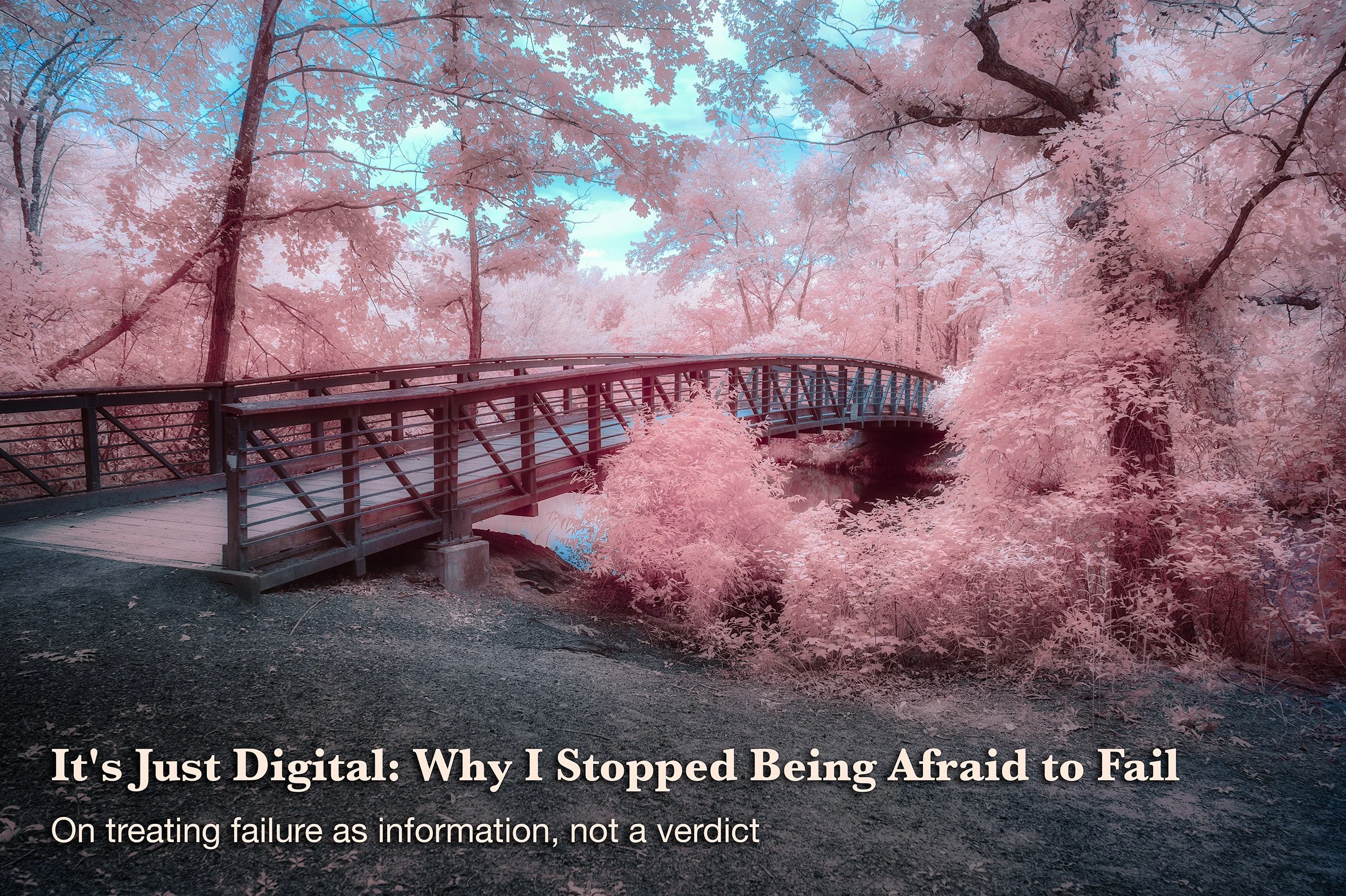
I stopped treating a failed image like a failure and started treating it like information. That was an experiment that didn't work — okay. Why didn't it work? I look at it, I figure out what went wrong, and I try something different next time. It's just digital. There's no film to waste, no cost beyond a few seconds and a little bit of ego.