The Collector’s Guide: Finding the Right Mood for Your Space
Choosing artwork is not only about color, size, or subject. It is also about atmosphere.
The right photograph can change the feeling of a room quietly. It can make a space feel more grounded, more open, more mysterious, or more restful. Over time, the artwork becomes part of the room’s emotional landscape—a presence you encounter each day.
Begin With How You Want the Room to Feel
Before choosing an image, consider the feeling you want to create.
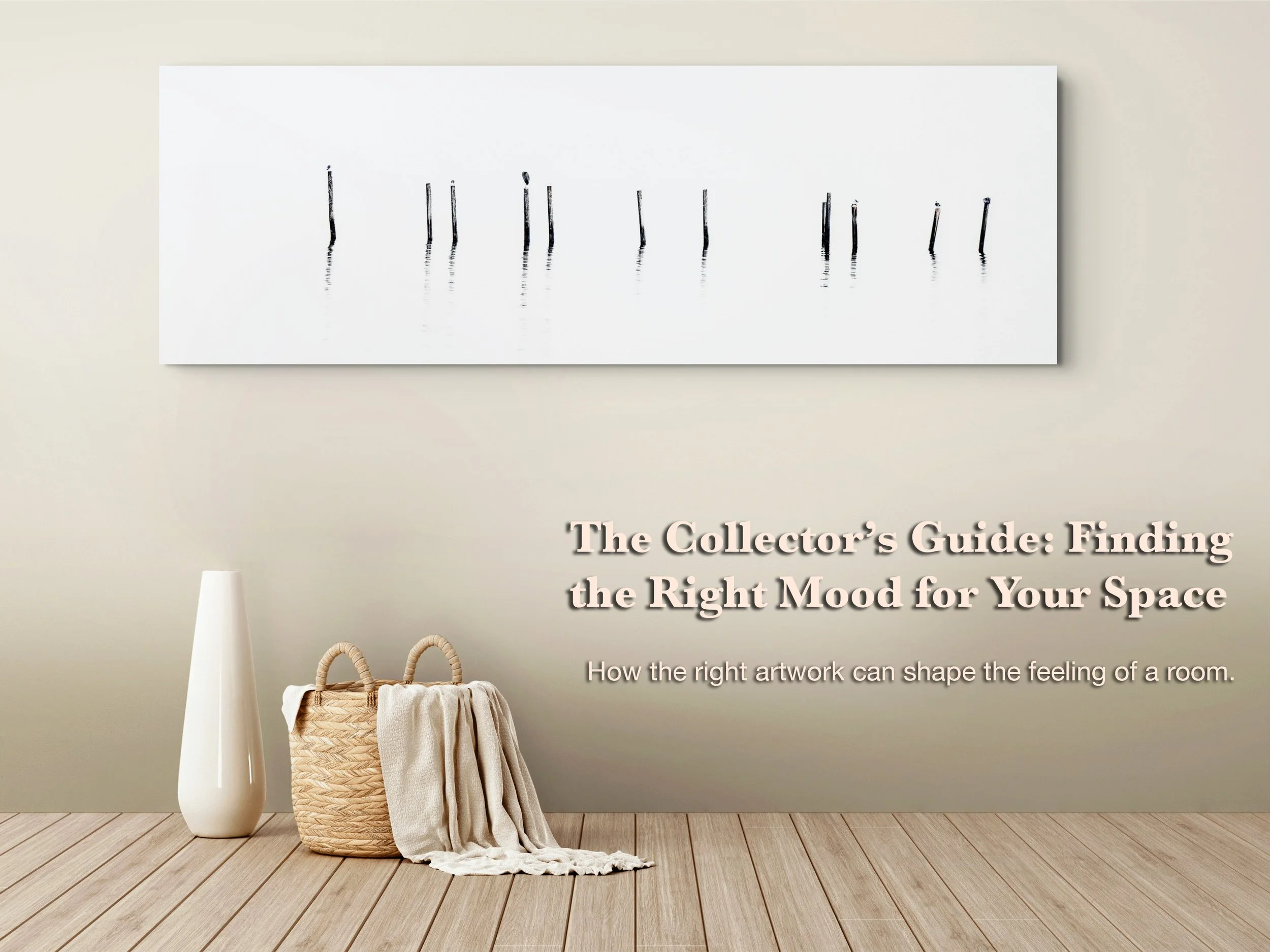
Should the room feel calm and restorative? Look for photographs with open space, softened light, gentle reflections, or quiet horizons.
Should it feel mysterious and introspective? Images with shadow, mist, unusual forms, or partially hidden details may create a deeper sense of wonder.
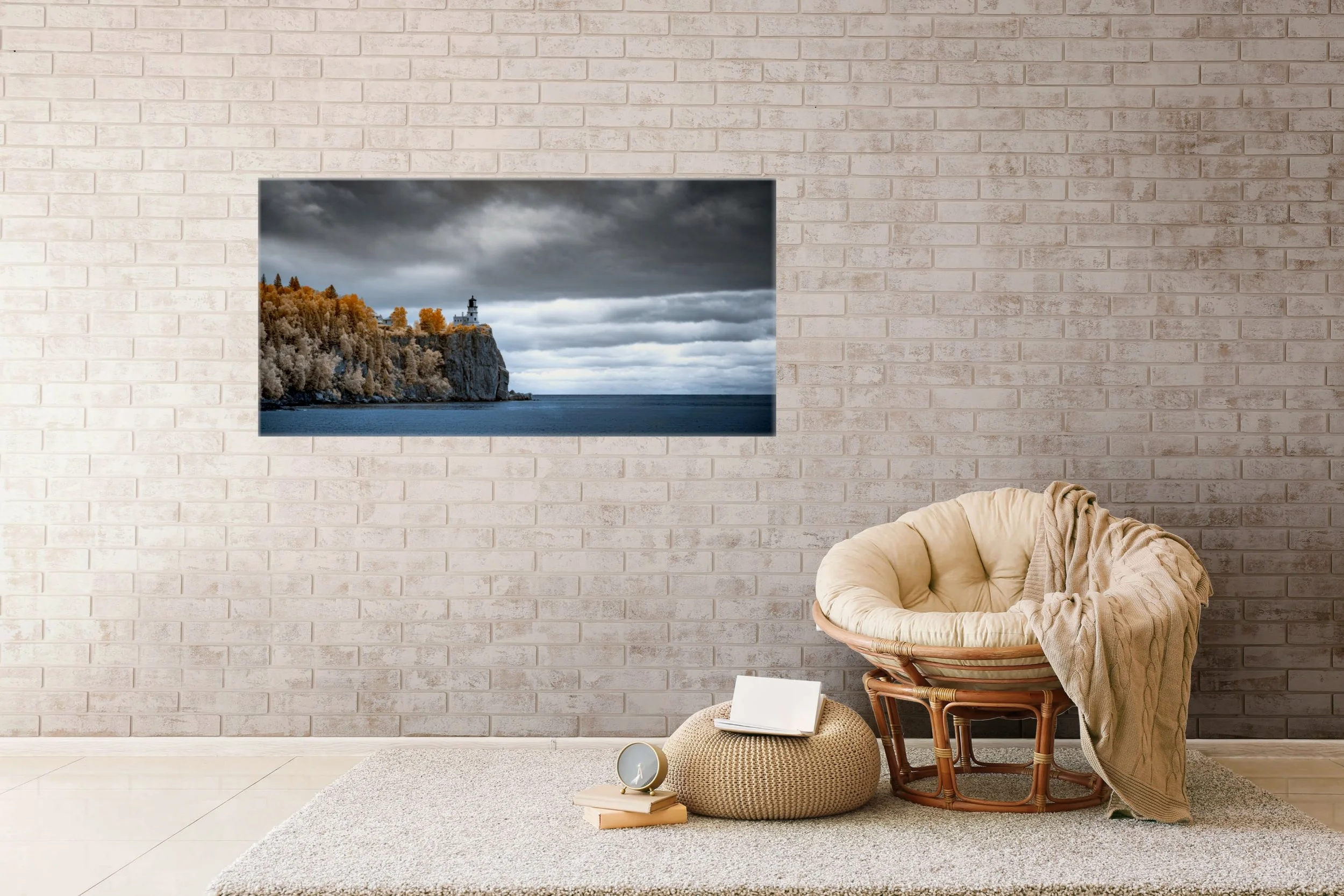
For warmth and connection, consider photographs with earthy tones, autumn color, golden light, or familiar landscapes transformed into something dreamlike.
There is no single correct mood. The most important question is how you want to feel when you enter the room.
Let the Room Speak First
Notice what is already present in the space.
Look at the wall color, flooring, furniture, natural light, and textures. These details can help guide your choice, but the artwork does not need to match everything exactly.
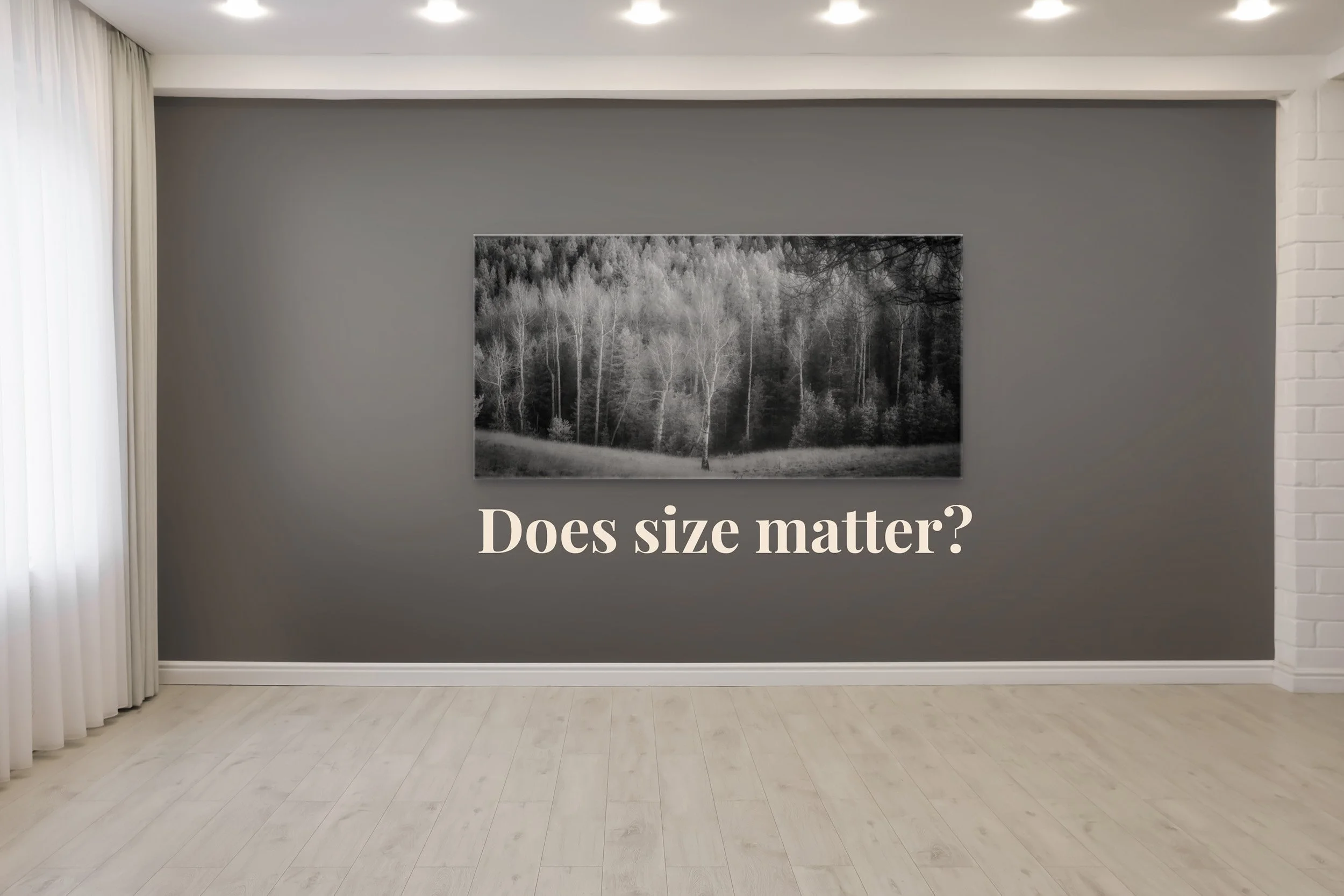
A quiet monochrome photograph can bring clarity to a room filled with color. A warm landscape can soften a space with cool walls and hard surfaces. A darker image can create depth in a bright, open room.
Think of the artwork as part of a conversation with the room—not as something that must repeat every color within it.
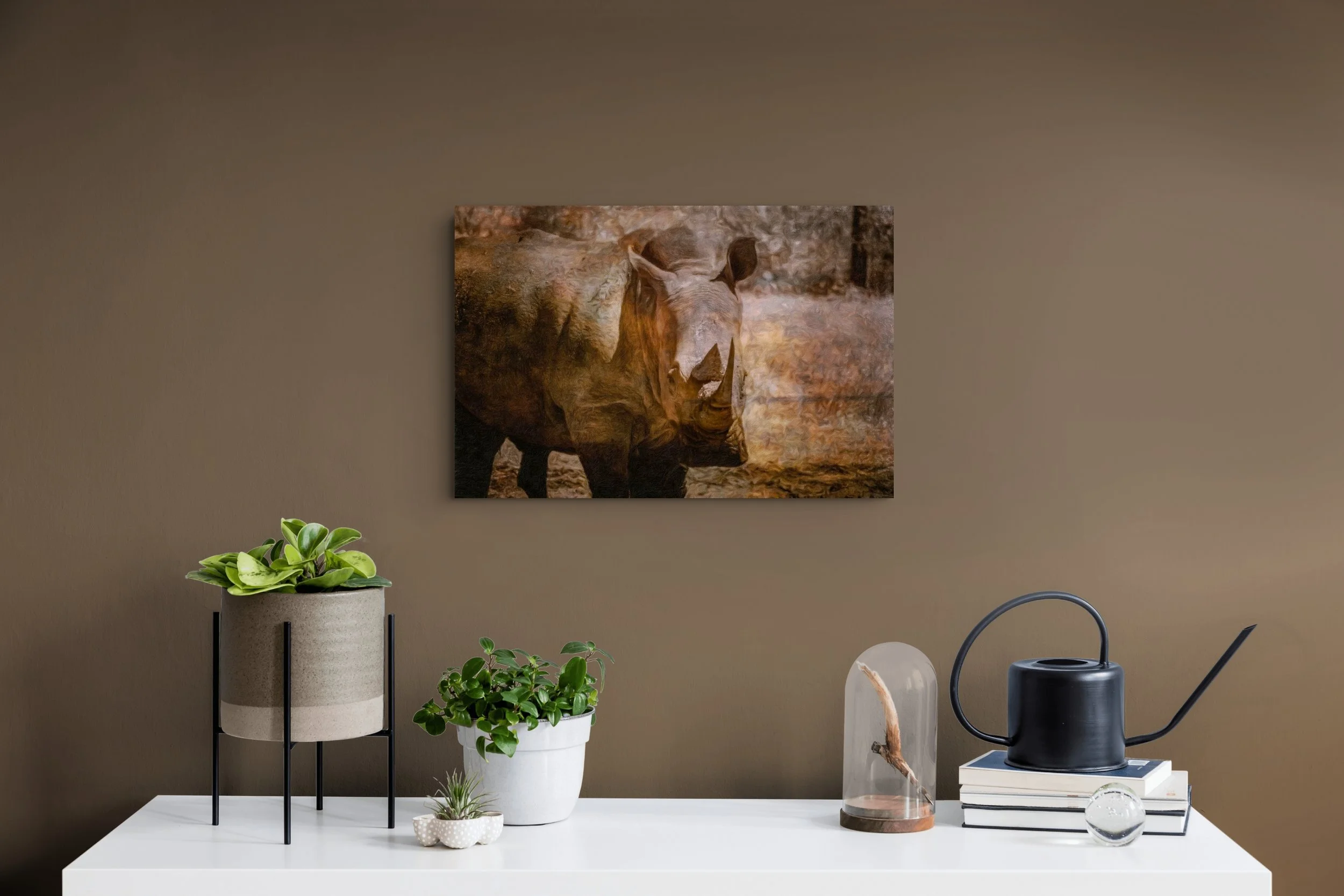
Keeper of the Old Silence
Consider the Room’s Purpose
Different rooms invite different kinds of attention.
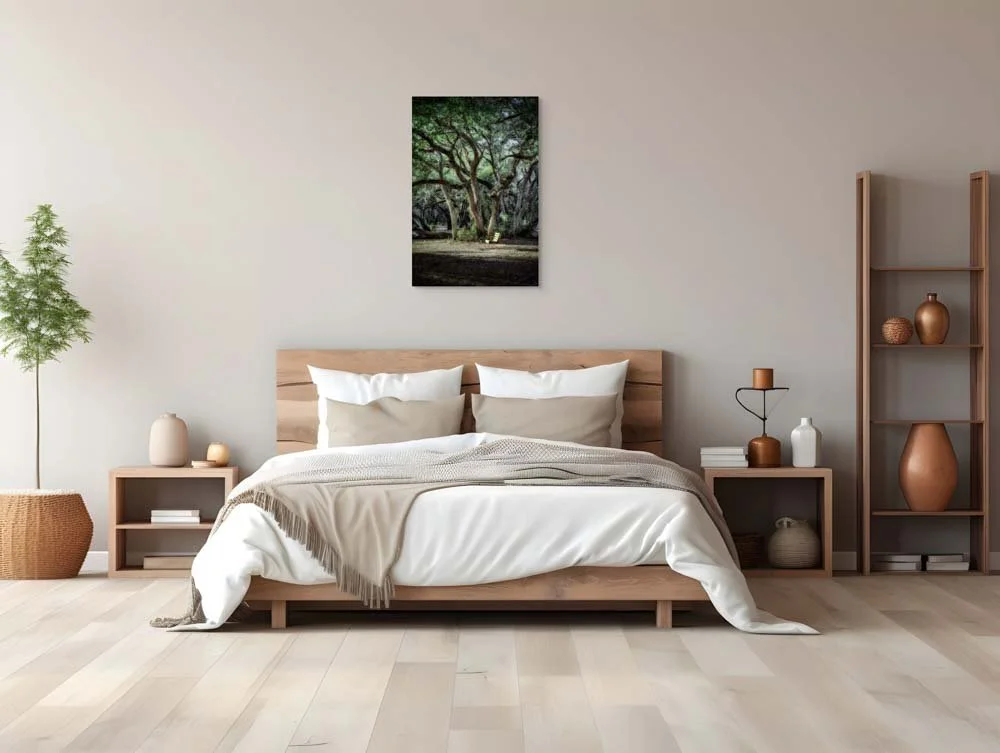
A bedroom or reading corner may call for artwork that feels peaceful and inward. A living room may welcome a photograph with greater visual presence—something that gives the eye a place to wander.
In a hallway, a smaller and more intimate image can become a quiet discovery. In a dining area or gathering space, a photograph with movement, atmosphere, or a wider sense of place may create a more expansive feeling.
The artwork does not have to explain the room. It can simply deepen the experience of being there.
Think About Light Throughout the Day
A photograph may feel different in morning light, afternoon light, and evening shadow.
Observe where natural light falls and how the room changes throughout the day. A luminous image may become especially alive in a softly lit space. A darker, more contemplative photograph may be most compelling where the light is subdued.
Artificial lighting matters as well. Overhead lighting, lamps, and windows all influence how color, shadow, and texture are perceived.
If possible, spend some time with the room before deciding. Notice when it feels most peaceful, most active, or most atmospheric. The artwork can support that natural rhythm.
Oak Swing
Choose a Feeling, Not Just a Subject
You may be drawn to a photograph because it shows a forest, a shoreline, an old building, or a familiar place. But the subject is only the beginning.
Ask yourself what the image evokes.
Does it feel like solitude, memory, stillness, discovery, or passage? Does it suggest a place you have known, or one you have never visited but somehow recognize?
Two photographs may show similar landscapes while carrying completely different emotional weight. One may feel open and hopeful. Another may feel ancient and watchful.
Choose the image whose presence stays with you after you look away.
Make Room for Contrast
Artwork does not always need to blend quietly into its surroundings.
A mysterious photograph can add depth to a bright, minimal room. A delicate image can bring softness to a space with strong architectural lines. A dramatic landscape can give structure to a room that otherwise feels visually quiet.
Contrast can create balance. The goal is not to make every element agree perfectly, but to allow the artwork and the room to reveal something in one another.
Trust the Photograph That Keeps Calling You Back
Sometimes the right artwork is not the one that seems easiest to place.
It may be the photograph you continue returning to—the one that reveals something new each time you see it. It may stir a memory, create a question, or simply offer a moment of quiet in the middle of an ordinary day.
That response matters.
Artwork becomes part of your surroundings, but it also becomes part of your inner life. Choose a photograph you will be glad to live with, not merely one that fills an empty wall.
Let the Mood Evolve
A room does not remain emotionally fixed. Your life changes, the light changes, and your relationship with the artwork may deepen over time.
A photograph that first feels mysterious may later become comforting. An image that once seemed distant may begin to feel familiar. This is one of the quiet gifts of living with art: its meaning is allowed to unfold gradually.
The right artwork does not need to announce itself. It only needs to remain present.
Finding the Right Presence
When choosing artwork for your space, begin with feeling.
Consider the atmosphere you want to create, the character of the room, the quality of light, and the images that continue to draw you back. Measurements and materials help complete the decision, but they do not replace your response to the photograph.
The most lasting choice is often the one that feels less like decoration and more like recognition—as though the image has found its way to the room where it belongs.
Choosing the right size is another part of creating that presence. Continue with the previous guide, [How to Choose the Right Size Artwork for Your Space].
You can also explore [Which Print Material Fits Your Space?] to learn how paper, canvas, metal, acrylic, and wood each shape the final experience of an artwork.

Misty Maritime Charm